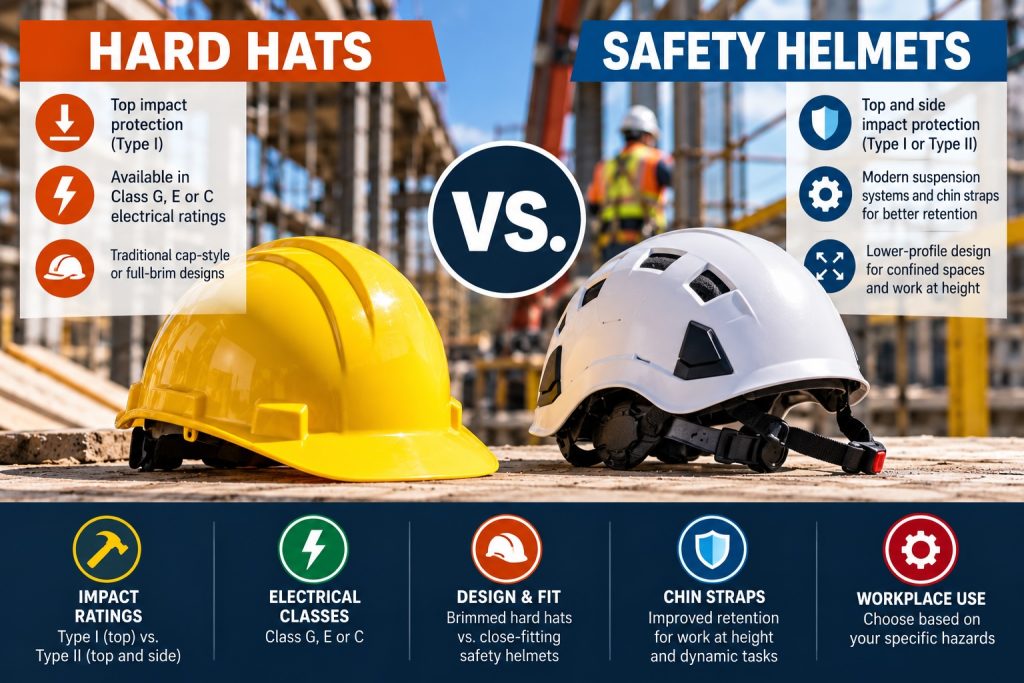
Personal protective equipment has traditionally been passive.
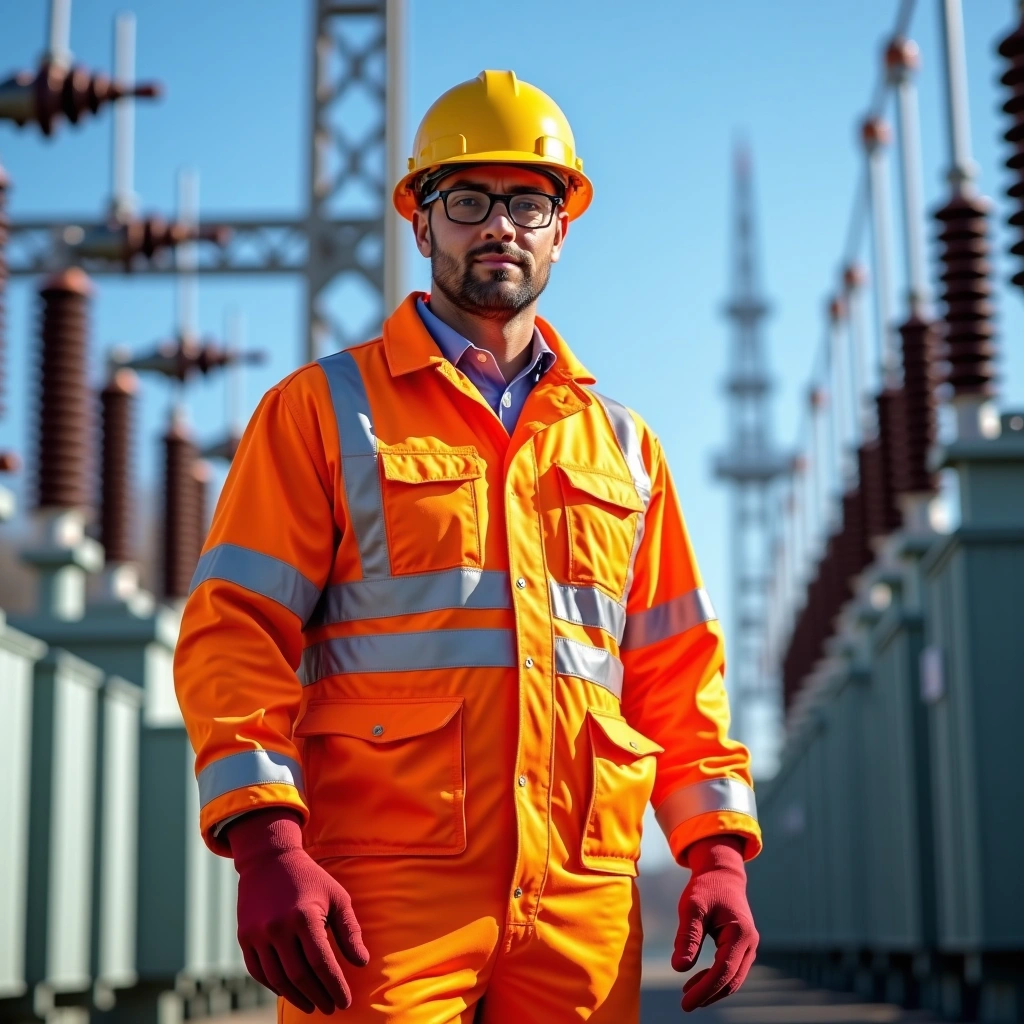
A hard hat protects against impact. Safety glasses shield the eyes. A harness arrests a fall. Gloves protect hands from cuts, heat, abrasion, or chemicals.
Smart PPE adds another layer.
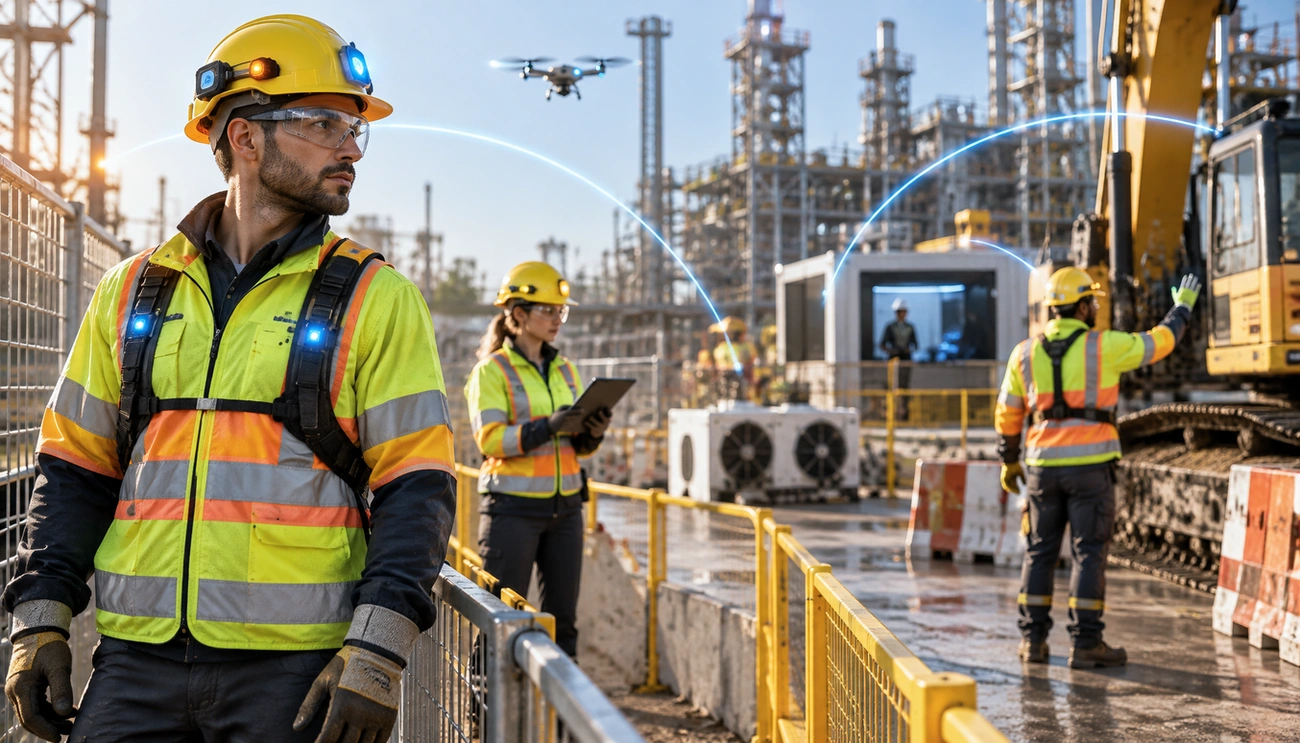
By combining protective equipment with sensors, connectivity, alerts, and software, employers can receive information about workplace conditions while the work is still happening. That can include heat exposure, worker location, gas concentrations, proximity to moving equipment, impact events, falls, or repetitive movement patterns.
The result is a shift from safety systems that mainly document incidents after they happen toward systems that can identify certain hazards in real time.
However, smart PPE does not replace traditional safety controls.
Its real value comes from helping workers and supervisors recognize danger earlier, respond faster, and use workplace data to identify patterns that might otherwise remain hidden.
What Is Smart PPE?
Smart PPE is protective equipment that incorporates technology beyond the equipment’s traditional protective function.
A connected hard hat may still provide head protection, but it may also include impact detection or location tracking.
A high-visibility vest may help workers remain visible while also carrying a proximity sensor that warns when a vehicle approaches.
A wearable device may measure heat exposure, motion, or environmental conditions and send alerts to the worker or supervisor.
The protective equipment still has to perform its primary job.
What changes is the addition of information.
The Technology Behind Smart PPE
Most smart PPE systems combine several basic elements.
Sensors collect information from the worker, equipment, or surrounding environment. Wireless connectivity sends that information to another device or safety platform. Software then interprets the data and determines whether an alert or action is needed.
Depending on the system, sensors may monitor:
- Movement
- Temperature
- Gas concentration
- Impact
- Location
- Proximity
- Biometric information
The technology can be built directly into PPE or connected to equipment workers already use.
Smart PPE Does Not Replace the Hierarchy of Controls
Smart PPE can warn workers that a hazard exists.
It does not necessarily remove the hazard.
A gas detector can alert an employee that dangerous conditions are developing, but it does not repair a ventilation problem.
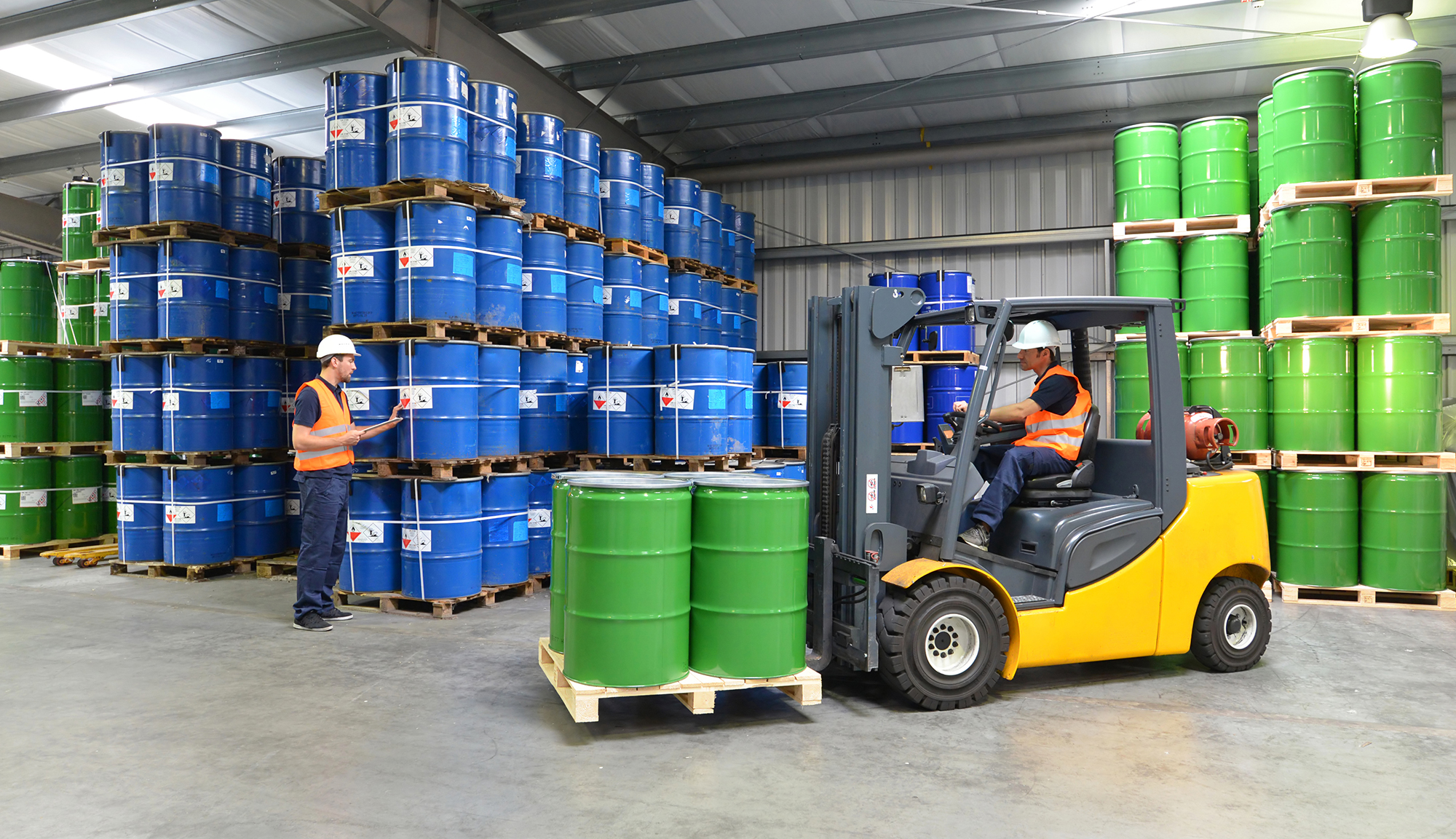
A proximity sensor can warn a worker that a forklift is approaching, but it does not replace traffic separation or safer facility design.
A wearable heat sensor may indicate rising heat strain, but it does not eliminate excessive process heat.
This distinction matters because PPE remains part of the last line of defense in the hierarchy of controls.
Employers should still look first at elimination, substitution, engineering controls, and safe work practices before relying on PPE.
Smart technology makes PPE more informative. It does not move PPE to the top of the control hierarchy.
Smart PPE Is Moving Safety From Reactive to Proactive
Traditional safety programs often rely heavily on incidents, inspections, near misses, and employee reports.
Those sources remain important, but they often describe something that has already happened.
Smart PPE introduces the possibility of detecting certain conditions earlier.
A proximity device can warn someone before vehicle contact occurs.
A heat-monitoring system can identify increasing heat strain before symptoms become severe.
A fall-detection system can alert a supervisor immediately after an incident instead of relying on another employee discovering the worker.
This ability to act sooner is one of the biggest reasons smart PPE is receiving more attention across industrial workplaces.