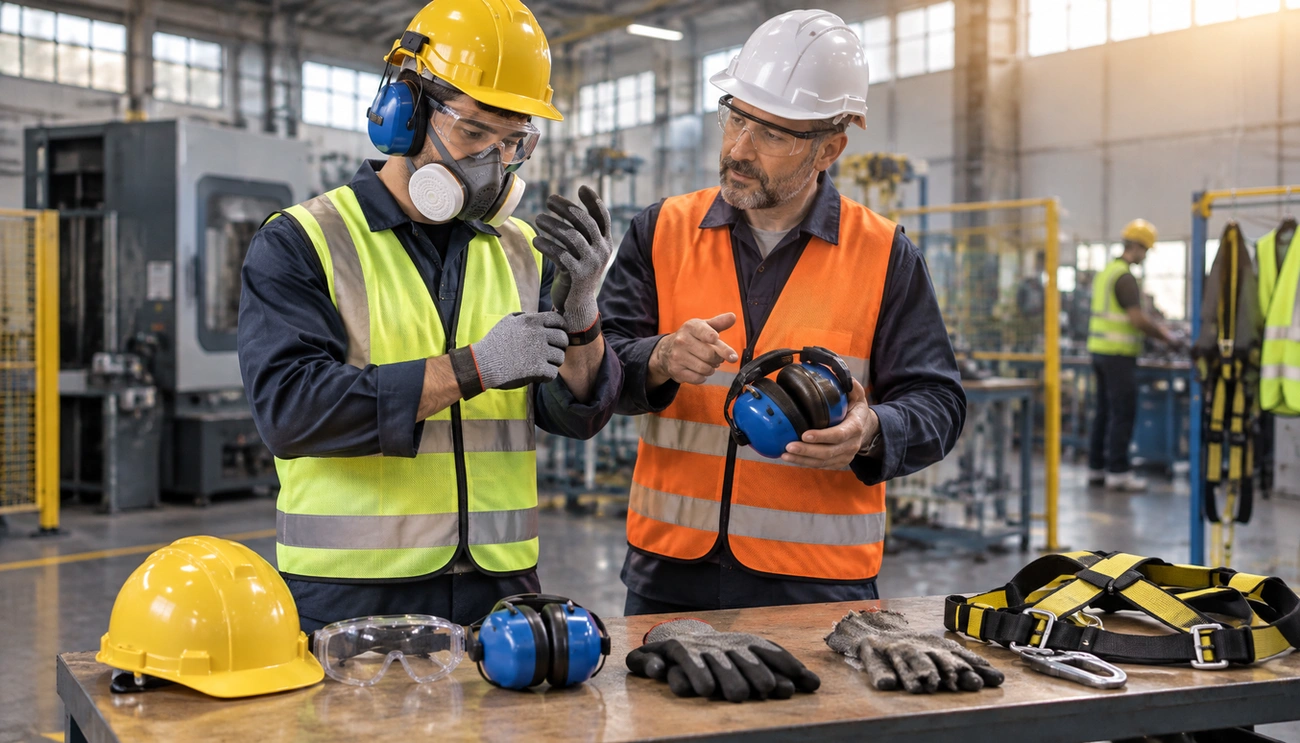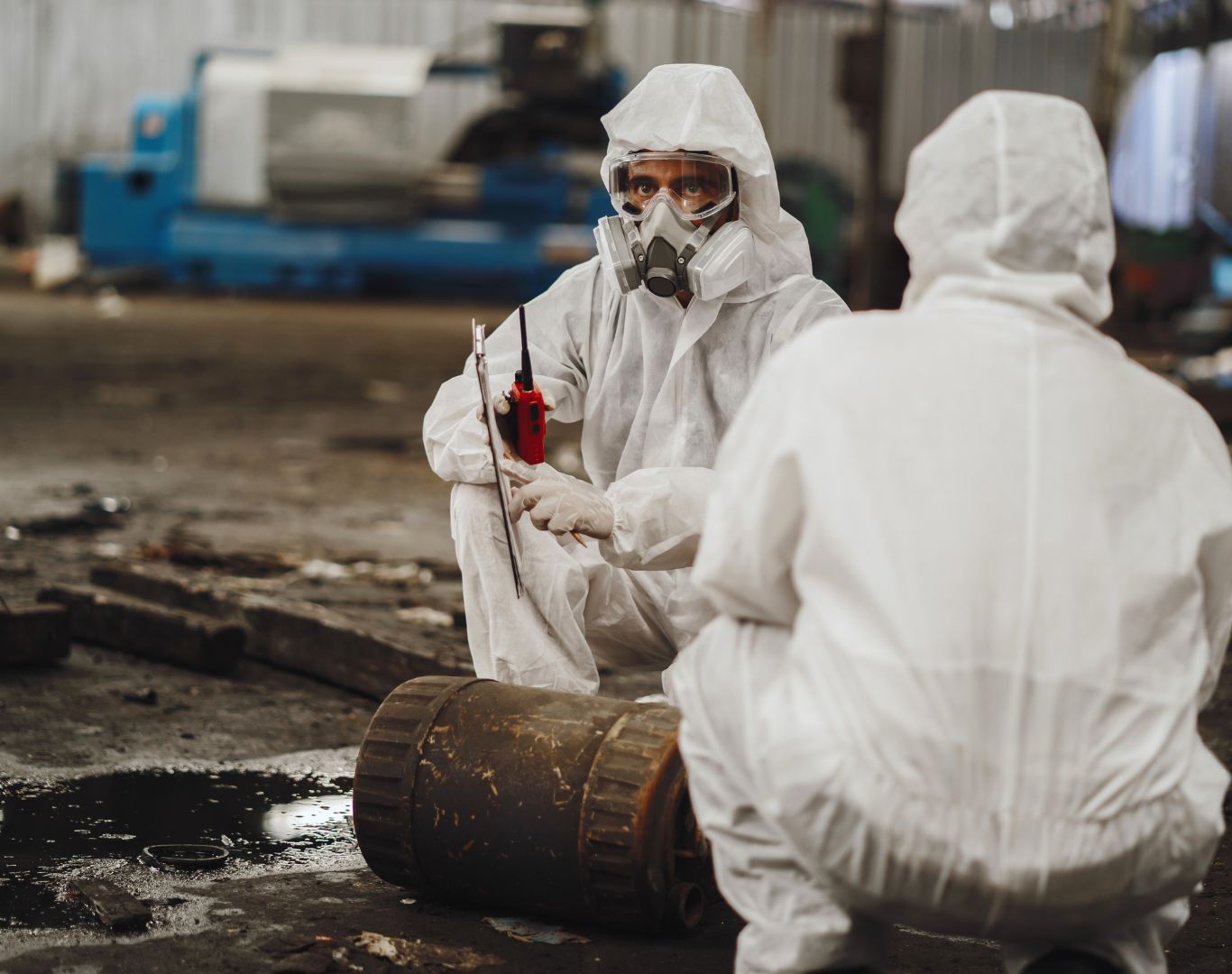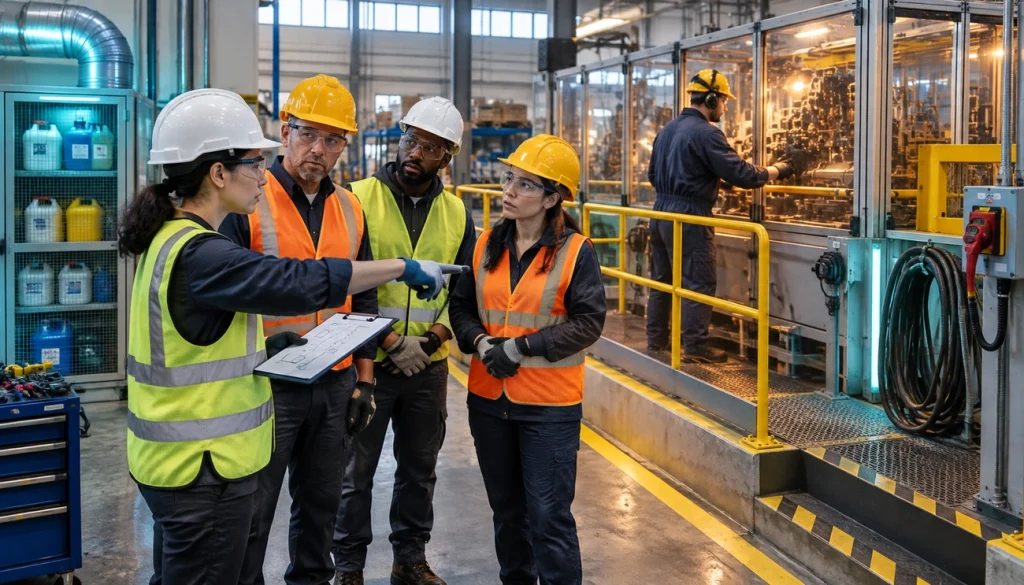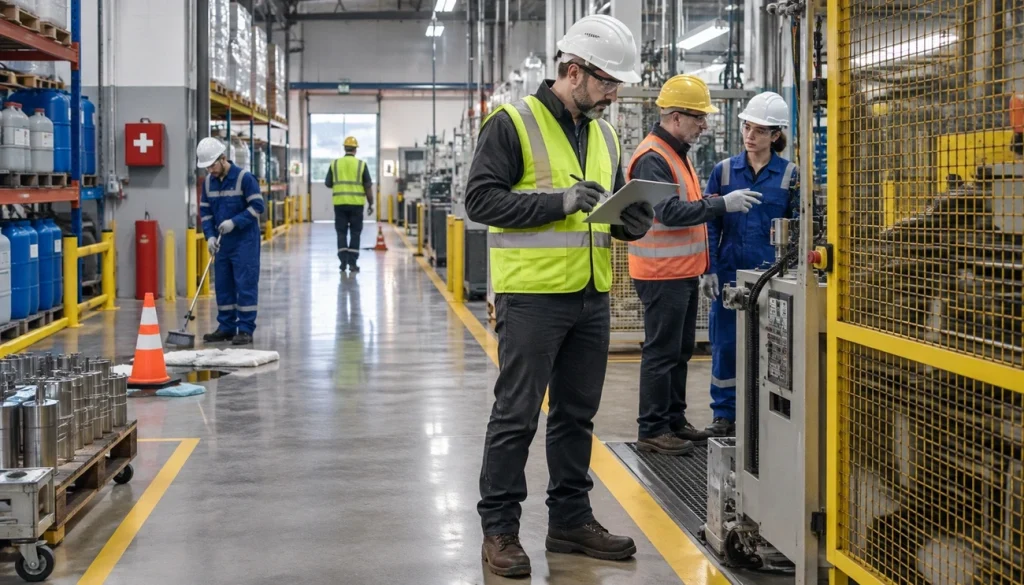
Providing personal protective equipment is only the beginning of an effective PPE program.
A workplace may purchase high-quality gloves, safety glasses, respirators, fall protection, protective clothing, and other equipment, yet workers can still remain exposed if they do not understand when the equipment is required, how it should fit, how to inspect it, what its limitations are, or when it needs to be replaced.
That gap between having PPE and using PPE correctly is where many preventable safety problems develop.
A respirator that does not seal correctly may give the worker a false sense of protection. A damaged pair of safety glasses may no longer provide the expected impact resistance. Chemical gloves selected for one substance may provide inadequate protection against another. A worker who does not inspect fall protection equipment may continue using gear that should have been removed from service.
Regular PPE training helps prevent these problems by keeping employees familiar with the equipment they depend on and reinforcing safe habits as tasks, hazards, and products change.
Why Providing PPE Is Not Enough
PPE is not automatically effective simply because it has been issued.
Workers need to understand how the equipment relates to the hazard they face and how incorrect use can reduce its protection.
This matters because PPE sits between the employee and an existing hazard. Unlike elimination or engineering controls, PPE generally does not remove the hazard itself.
A glove does not eliminate a sharp edge. Safety glasses do not stop material from becoming airborne. A respirator does not remove contaminants from the workplace atmosphere. Fall protection does not eliminate the elevated surface.
PPE reduces exposure when other controls cannot fully eliminate the risk.
Because that protection depends heavily on correct worker behavior, training becomes part of the protective system rather than an optional addition to it.
PPE Mistakes Can Create a False Sense of Security
One of the most dangerous PPE situations occurs when an employee believes they are protected when they are not.
The worker may continue performing a hazardous task because the required equipment appears to be in place, even though the PPE is incorrectly selected, poorly fitted, damaged, or being used outside its limitations.
That false confidence can make the exposure more serious.
Using the Wrong PPE for the Hazard
Not every product within the same PPE category provides the same protection.
Gloves designed primarily for abrasion may not provide sufficient chemical protection. A particulate filtering respirator does not automatically protect against gases or vapors. Ordinary safety glasses may not provide the same protection as chemical splash goggles for a liquid splash hazard.
Employees need training that connects the product to the task.
Instead of simply learning that “gloves are required,” workers should understand which glove is required and why.
Wearing PPE Incorrectly
Equipment can also lose effectiveness because it is worn incorrectly.
Harness straps may be improperly adjusted. Safety glasses may not fit securely. Protective clothing may be left open or altered. Respirator straps may be positioned incorrectly.
These problems are difficult to solve with written instructions alone.
Hands-on demonstration and practice allow workers to see how the equipment should fit and give trainers an opportunity to correct mistakes before those mistakes happen during hazardous work.
OSHA Requires PPE Training
For general-industry PPE covered by OSHA’s 29 CFR 1910.132 requirements, employers must train affected employees who are required to use PPE.
The required training addresses when PPE is necessary, what PPE is necessary, how to properly put it on and remove it, how to adjust and wear it, its limitations, and its proper care, maintenance, useful life, and disposal. Employees must demonstrate that they understand the training and can use the equipment properly before performing work that requires the PPE. (OSHA 1910.132 PPE Requirements)
This requirement makes an important point: attendance alone is not the goal.
The employee needs to understand how to use the equipment.
Regular Training Does Not Mean Every PPE Topic Has the Same Schedule
Employers should avoid assuming that every type of PPE follows one universal annual training rule.
Under the general PPE requirements of 1910.132, OSHA identifies circumstances that require retraining rather than establishing a blanket annual retraining requirement for all PPE.
Retraining is required when workplace changes make previous training obsolete, when the type of PPE changes, or when an employee’s knowledge or use of assigned PPE indicates that the worker has not retained the necessary understanding or skill.
Some specific PPE-related standards have additional requirements.
For example, required respirator training under OSHA’s respiratory protection standard must recur annually and more often when necessary.
The practical lesson is that an effective PPE training program should be based on both the applicable OSHA requirements and actual workplace conditions rather than a generic calendar reminder.
Training Helps Workers Select the Right PPE
One of the most important skills employees can develop is recognizing which equipment belongs with which hazard.
In some workplaces, supervisors issue a complete PPE kit for a specific job. In others, employees may need to select from several approved products depending on the task.
Workers should understand those differences.
A maintenance technician, for example, may perform grinding, chemical handling, electrical work, elevated work, and routine mechanical repairs during the same week. Those tasks do not necessarily require the same gloves, eye protection, clothing, or respiratory equipment.
Training helps employees recognize when the task has changed enough that their PPE needs to change as well.
Arbill’s guide on how to perform a PPE hazard assessment explains why PPE requirements should be connected to actual tasks and exposures rather than being assigned only by job title.
Workers Need to Understand PPE Limitations
No piece of PPE provides unlimited protection.
Every product has conditions under which it performs as intended and conditions where it may no longer provide adequate protection.
Workers need to understand those boundaries.
A glove may have limited resistance against a specific chemical. A respirator cartridge may require replacement according to an established change schedule. Protective clothing may be unsuitable for a higher thermal hazard. Safety glasses may provide impact protection without providing adequate splash protection.
Training should explain not only what PPE does, but also what it does not do.
That distinction can prevent workers from taking equipment into conditions it was never designed to handle.
Proper Fit Is Part of PPE Effectiveness
PPE needs to fit the individual worker.
Poor fit can affect both safety and usability.
Oversized gloves may reduce grip and dexterity. Safety glasses that continually slide down may leave gaps or tempt workers to remove them. A loose harness may not perform as intended during a fall. Tight-fitting respirators depend on an effective seal against the worker’s face.
Employers therefore need to provide appropriate sizes, models, or adjustment options where necessary.
Training should show employees how correct fit feels and looks so they can recognize when something is wrong.
Fit Can Change Over Time
A product that fit correctly in the past may not always remain suitable.
Different clothing layers, changes in body size, replacement models, facial changes, or other conditions can affect fit.
Workers should feel comfortable reporting that assigned equipment no longer fits rather than continuing to use it because it was previously approved.