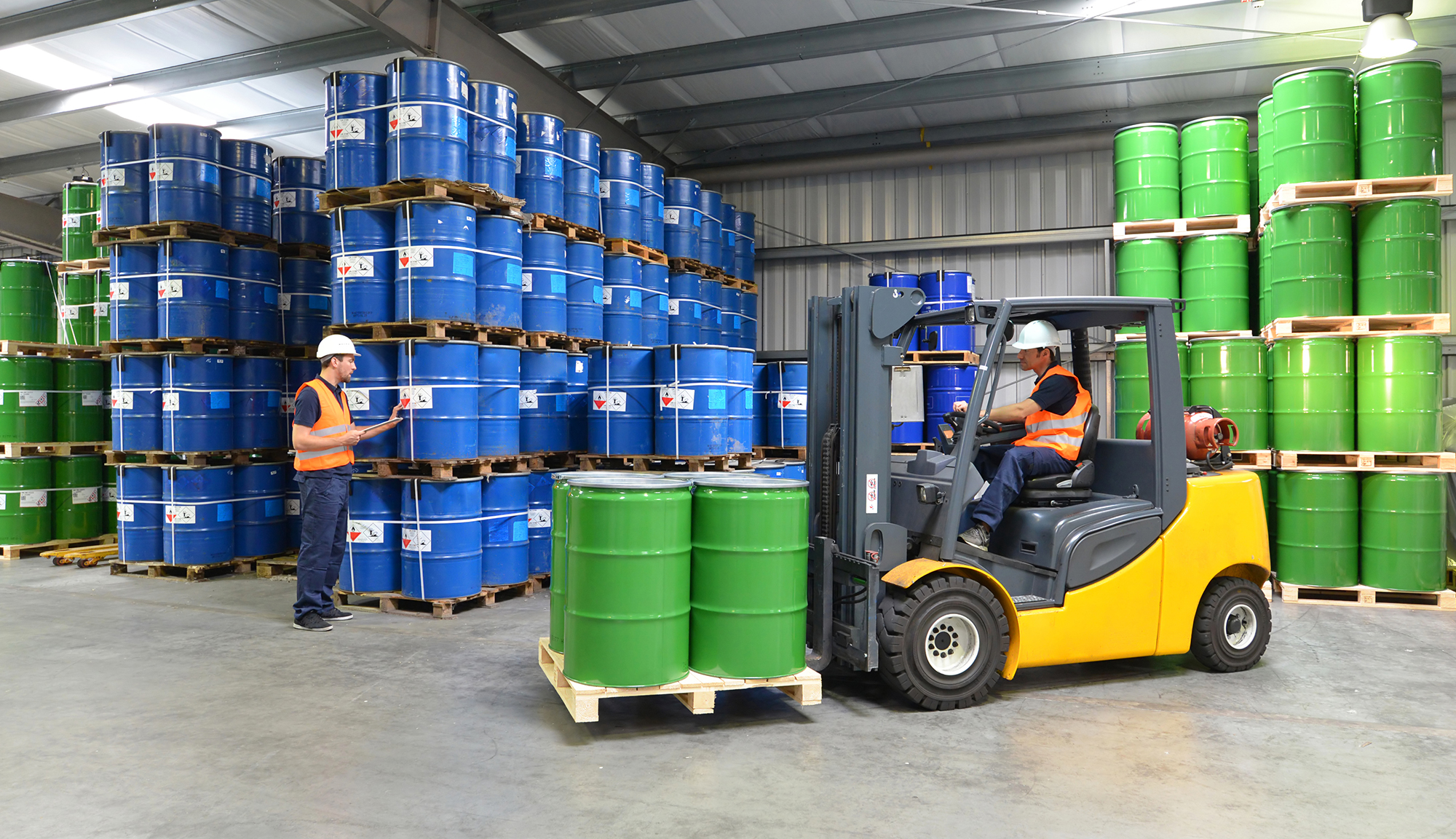
A workplace safety audit helps employers replace assumptions with evidence.
A loose machine guard, blocked emergency exit, damaged respirator, missing training record, or poorly stored chemical can become part of daily operations when nobody steps back to examine the system as a whole. Over time, employees may stop noticing conditions that have become familiar, even when those conditions create real risk.
A structured safety audit gives employers a way to identify those gaps before they contribute to an injury, regulatory problem, or operational disruption.
The strongest audits do more than walk through a facility with a checklist. They review written programs, training records, regulatory documentation, PPE, work practices, equipment, chemical handling, emergency readiness, and employee feedback. Findings are then ranked, assigned to responsible owners, corrected, and verified.
That final step matters. An audit only creates value when findings lead to action.
What Is a Workplace Safety Audit?
A workplace safety audit is a structured review of how well actual workplace conditions and practices align with safety requirements, internal procedures, and expected controls.
Depending on the facility, the audit may include a walkthrough, regulatory-record review, written-program review, training documentation, PPE assessment, equipment inspection, environmental conditions, and employee interviews.
The purpose is to understand whether the safety system is functioning as intended.
A company may have excellent written procedures but poor implementation. Another facility may have strong day-to-day practices but outdated documentation. The audit is designed to identify both kinds of gaps.
Safety Audit vs. Risk Assessment
A safety audit and a risk assessment are related, but they are not exactly the same.
The audit collects and evaluates evidence.
It asks whether procedures exist, whether training has been completed, whether equipment is being used correctly, whether records are current, and whether site conditions match written expectations.
A risk assessment focuses more specifically on the hazard itself.
It considers who could be harmed, how the exposure could occur, how severe the potential outcome might be, and how likely the event is to happen.
These two activities work best together.
An audit may identify a damaged machine guard. The risk assessment then helps determine how urgently that condition should be corrected based on exposure frequency and potential injury severity.
Step 1: Define the Purpose of the Audit
Before anyone begins walking through the facility, decide what the audit needs to accomplish.
A vague goal such as “check safety” usually produces an equally vague report.
A stronger audit begins with a specific question.
For example, the organization may want to evaluate general OSHA readiness, review PPE compliance, assess chemical-management practices, examine a high-injury department, prepare for expansion, or develop a broader safety roadmap.
The purpose determines the scope.
Decide How Broad the Review Should Be
Not every audit needs to cover the entire organization.
A focused review may examine one department, one hazard category, or one site.
A broader audit may evaluate the complete safety-management system.
Rapid Review
A rapid assessment can provide a high-level look at current workplace conditions.
It may be appropriate when management needs to identify obvious concerns quickly or establish a starting point for a more detailed review.
Discovery-Level Audit
A deeper audit looks beyond visible hazards.
It can include written programs, training records, regulatory documentation, PPE, equipment, employee practices, and broader compliance gaps.
This type of review is useful when the employer needs a structured corrective-action plan.
Full-Scope Assessment
A more expansive audit can examine safety culture, performance, accountability, documentation, and long-term program maturity.
This is particularly useful for organizations that want to move beyond basic compliance and build a multi-year safety roadmap.
Arbill’s EHS safety assessments can support organizations that need anything from a focused workplace review to a broader assessment of safety systems and compliance gaps.
Write the Scope Before the Walkthrough
A written scope prevents important areas from being overlooked.
Define which departments, shifts, buildings, tasks, equipment, documents, and programs will be included.
If environmental responsibilities are part of the review, identify them as well.
That may include:
Chemical storage, hazardous waste, universal waste, tanks, secondary containment, spill prevention, or other site-specific environmental concerns.
The audit team should know the boundaries before work begins.
Assemble the Right Audit Team
One person rarely sees every aspect of workplace safety.
A stronger team may include:
Safety personnel, supervisors, maintenance employees, operations representatives, and workers who perform the actual tasks.
Each perspective provides different information.
A supervisor may understand the intended procedure, while an operator knows how the job actually happens during production pressure. Maintenance employees may know where guards are routinely removed or where equipment repeatedly leaks.
Worker involvement can help reveal gaps that are not visible during a short walkthrough.
Gather Records Before Entering the Work Area
An audit becomes more useful when the team understands what the workplace says it should be doing before observing what actually happens.
Collect relevant documents such as:
- Written safety programs
- Training records
- Injury and illness records
- Inspection records
- PPE assessments
- Equipment procedures
- Safety Data Sheets
- Previous audit reports
- Corrective-action records
These documents provide a reference point for the walkthrough.
If the written procedure says one thing and employees routinely do another, that difference becomes an important finding.