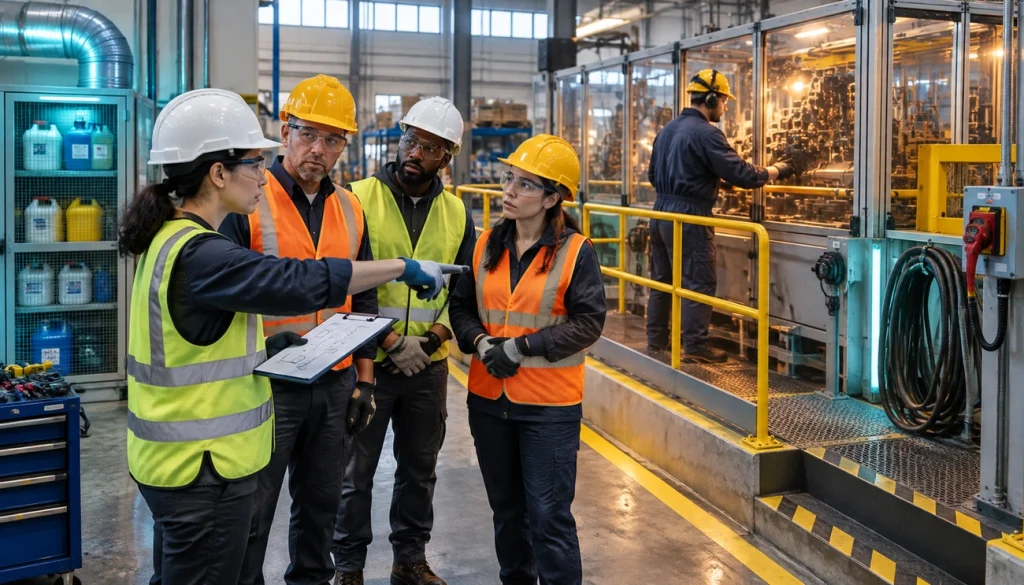
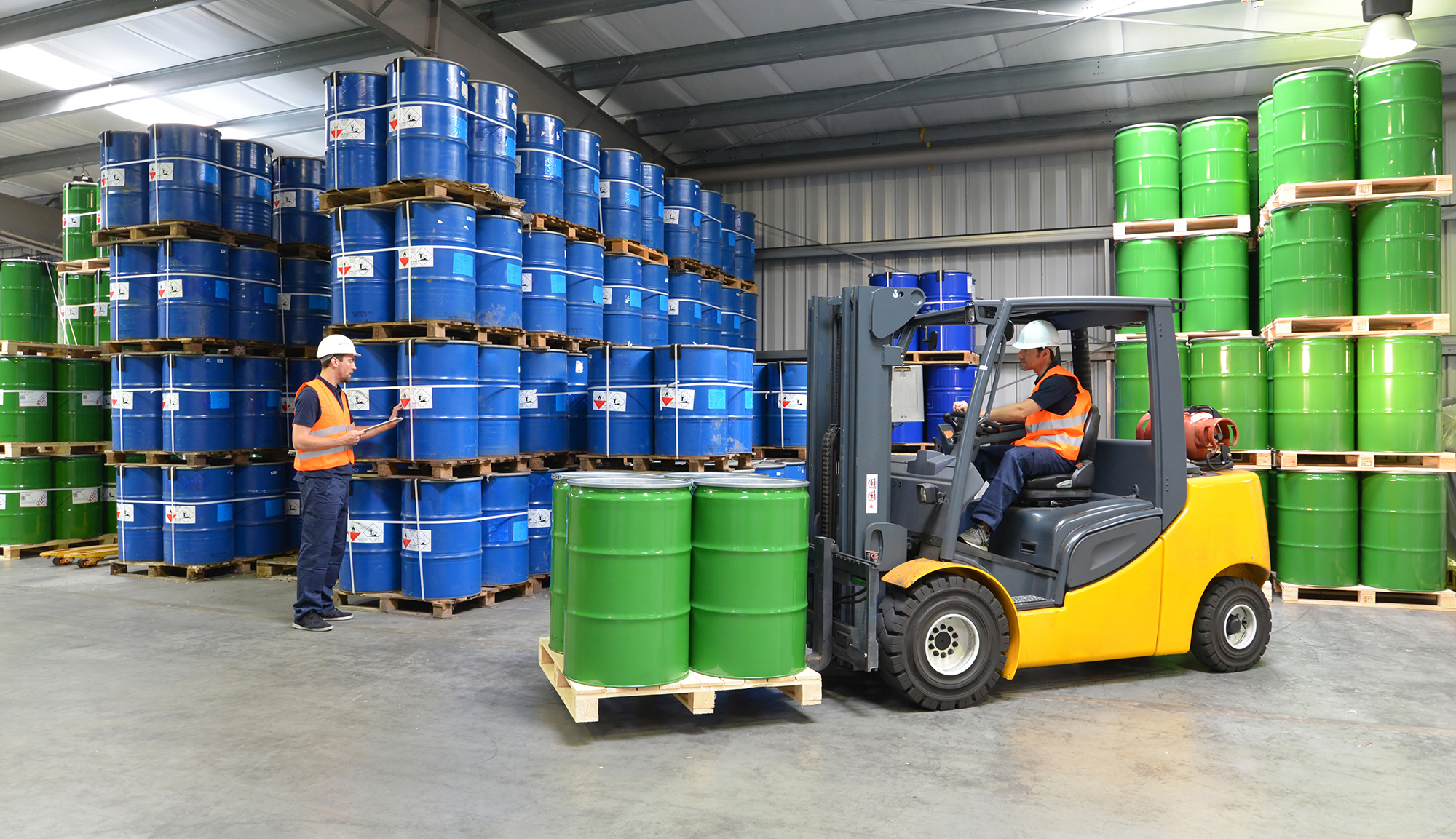
High-visibility clothing is designed to make workers easier to see when they perform tasks near traffic, mobile equipment, machinery, or in environments where lighting and background conditions can make a person difficult to distinguish.
The familiar fluorescent yellow-green or orange garment is only part of the system.
High-visibility safety apparel typically combines bright fluorescent background material for daytime conspicuity with retroreflective material that returns light toward its source, helping workers remain visible when illuminated by headlights or work lights.
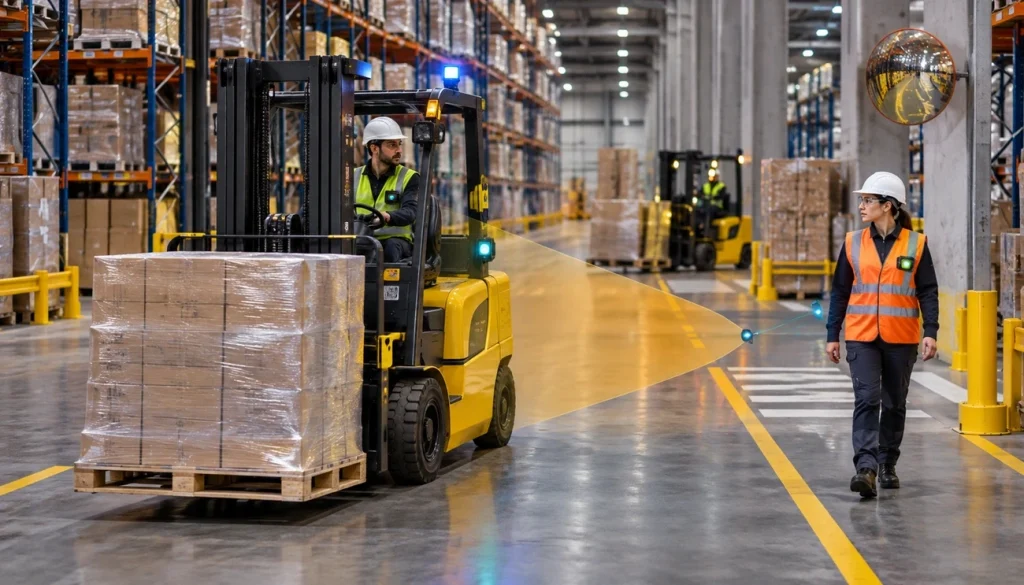
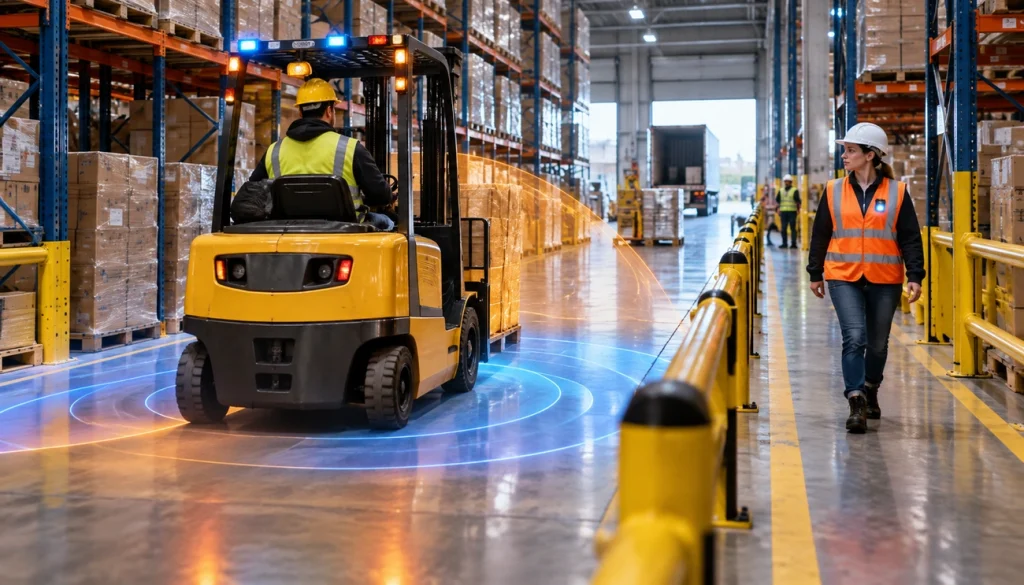
For road crews, warehouse employees, construction workers, utility personnel, emergency responders, airport workers, and employees working around heavy equipment, that added visibility can be a critical part of the overall PPE program.
But not every bright vest provides the same level of protection.
Employers need to understand when high-visibility clothing is required, which ANSI/ISEA classification applies, and how work environment, traffic exposure, lighting, and job duties affect garment selection.
What Is High-Visibility Safety Apparel?
High-visibility safety apparel, often abbreviated HVSA, is clothing specifically designed to make the wearer conspicuous against the surrounding environment.
ANSI/ISEA 107-2020 establishes performance requirements for this type of apparel, including background material, retroreflective material, garment design, testing, and labeling.
High-visibility clothing can include more than traditional safety vests.
Depending on the job, workers may wear:
- Vests
- Shirts
- Jackets
- Coats
- Rainwear
- Coveralls
- Pants or bibs
The appropriate garment depends on the level and direction of exposure.
How High-Visibility Clothing Works
High-visibility apparel relies on two primary visual characteristics.
Fluorescent Background Material
Fluorescent material helps a worker stand out during daylight and other well-lit conditions.
ANSI/ISEA high-visibility garments commonly use fluorescent yellow-green, fluorescent orange-red, or fluorescent red.
The bright background creates contrast between the worker and surrounding equipment, structures, vegetation, or traffic.
Retroreflective Material
Retroreflective striping works differently.
Instead of simply appearing bright, it reflects light toward the source.
When vehicle headlights illuminate retroreflective material at night, the driver can recognize the worker more quickly than they could if the employee were wearing ordinary clothing.
The combination of fluorescent and retroreflective material supports visibility across changing lighting conditions.