Chemical safety cannot be managed with one generic rule.
A plant may have strong labels, stocked PPE, and written procedures, but workers can still be exposed if the program does not address how chemicals actually enter the body. In chemical, petrochemical, and plastics operations, exposure often happens through three major routes: splash, vapor inhalation, and skin absorption.
Each one behaves differently. Each one creates different health risks. Each one requires different controls.
A splash can injure the eyes or skin in seconds. A vapor can enter the lungs before a worker sees any visible warning. A chemical absorbed through the skin may cause harm without immediate pain, burning, or irritation.
That is why plant safety managers need a chemical safety program that looks beyond the container label and focuses on real exposure pathways.
For facilities managing chemical-intensive operations, chemical, petrochemical, and plastics safety support can help align PPE, training, hazard assessment, and safety planning with the way workers actually handle chemicals on the floor.
Why Chemical Exposure Routes Matter
Chemical exposure is not one hazard.
It is a set of different pathways that can affect workers in different ways. A corrosive liquid may cause immediate injury when it splashes into the eye. A solvent vapor may affect breathing, alertness, or long-term organ health. A substance that looks harmless on the skin may pass through the skin barrier and enter the bloodstream.
The uploaded draft identifies three primary workplace chemical exposure routes: direct splashes, inhaled vapors, and skin absorption. It also emphasizes that each hazard type requires specific protection methods and targeted worker training.
This matters because the wrong control can create a false sense of safety.
Safety glasses may not protect against a full-face splash. Gloves may not protect against a vapor. A respirator may not protect skin from absorption. A lab coat may not resist the chemical being handled.
A strong chemical safety program starts by asking one simple question: how can this chemical reach the worker?
Hazard Category 1: Chemical Splash
Splash hazards occur when liquid chemicals contact the eyes, face, skin, or clothing.
These incidents can happen during routine work. A worker pours from one container to another. A hose connection releases pressure. A valve leaks. A drum pump slips. A container tips. A line is opened during maintenance. A splash can happen quickly, even during a task the worker has performed many times.
The uploaded draft notes that splash hazards often occur during pouring, mixing, transferring chemicals, connecting hoses, chemical dispensing, equipment maintenance, and emergency response. It also highlights that acids, bases, solvents, and other liquids can cause serious injury depending on concentration, contact time, and affected body area.
Splash risks are especially serious for the eyes. Chemical contact with the eye can cause rapid injury and may lead to permanent damage if emergency flushing is delayed.
Protecting Workers From Splash Hazards
Splash protection should be based on the chemical, volume, pressure, task, and likelihood of exposure.
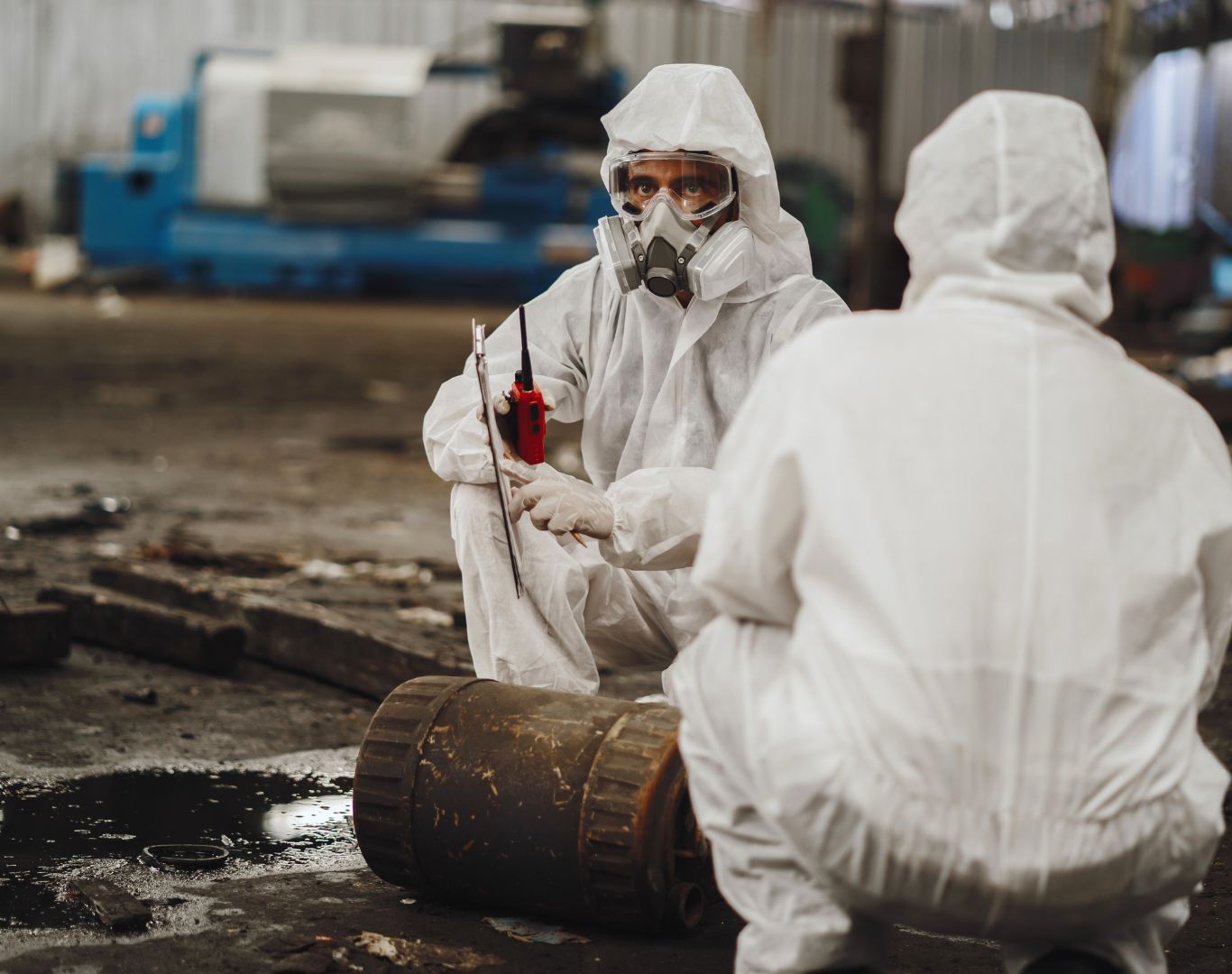
At minimum, workers may need chemical splash goggles, face shields, gloves, aprons, sleeves, or chemical-resistant clothing. For higher-risk tasks, full-body protection may be required.
OSHA’s eye and face protection standard requires employers to ensure affected employees use appropriate eye or face protection when exposed to hazards from liquid chemicals, acids or caustic liquids, chemical gases or vapors, and other listed hazards.
Splash protection may include:
- Chemical splash goggles
- Face shields used with goggles
- Chemical-resistant gloves
- Aprons
- Sleeves
- Coveralls
- Chemical-resistant boots
- Full-body suits for high-volume or high-severity exposure
- Eyewash and safety shower access
- Spill response materials
For facilities selecting equipment, eye and face protection should be matched to the hazard, not selected as a generic PPE item.
A face shield alone should not replace splash goggles when there is a risk of liquid chemical exposure to the eyes. The system should protect the eyes, face, and skin areas likely to be exposed during the task.