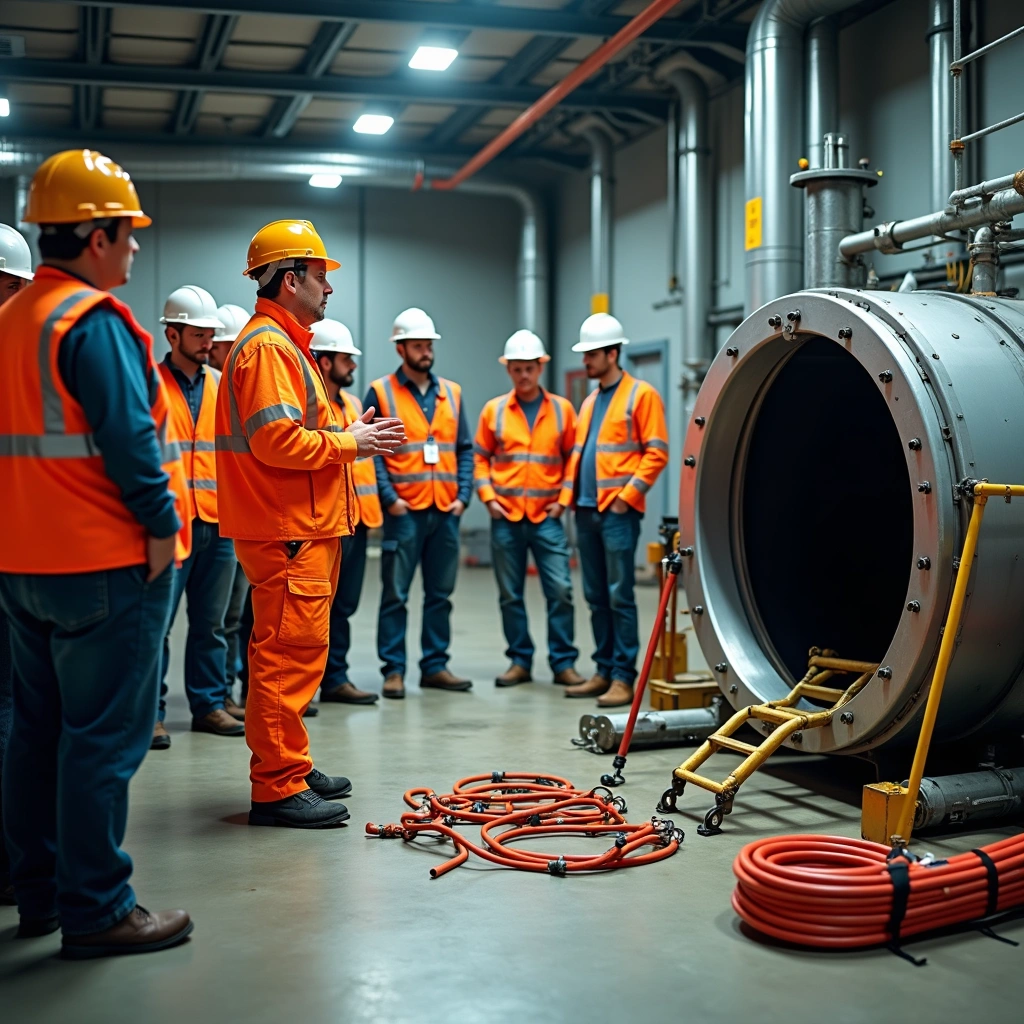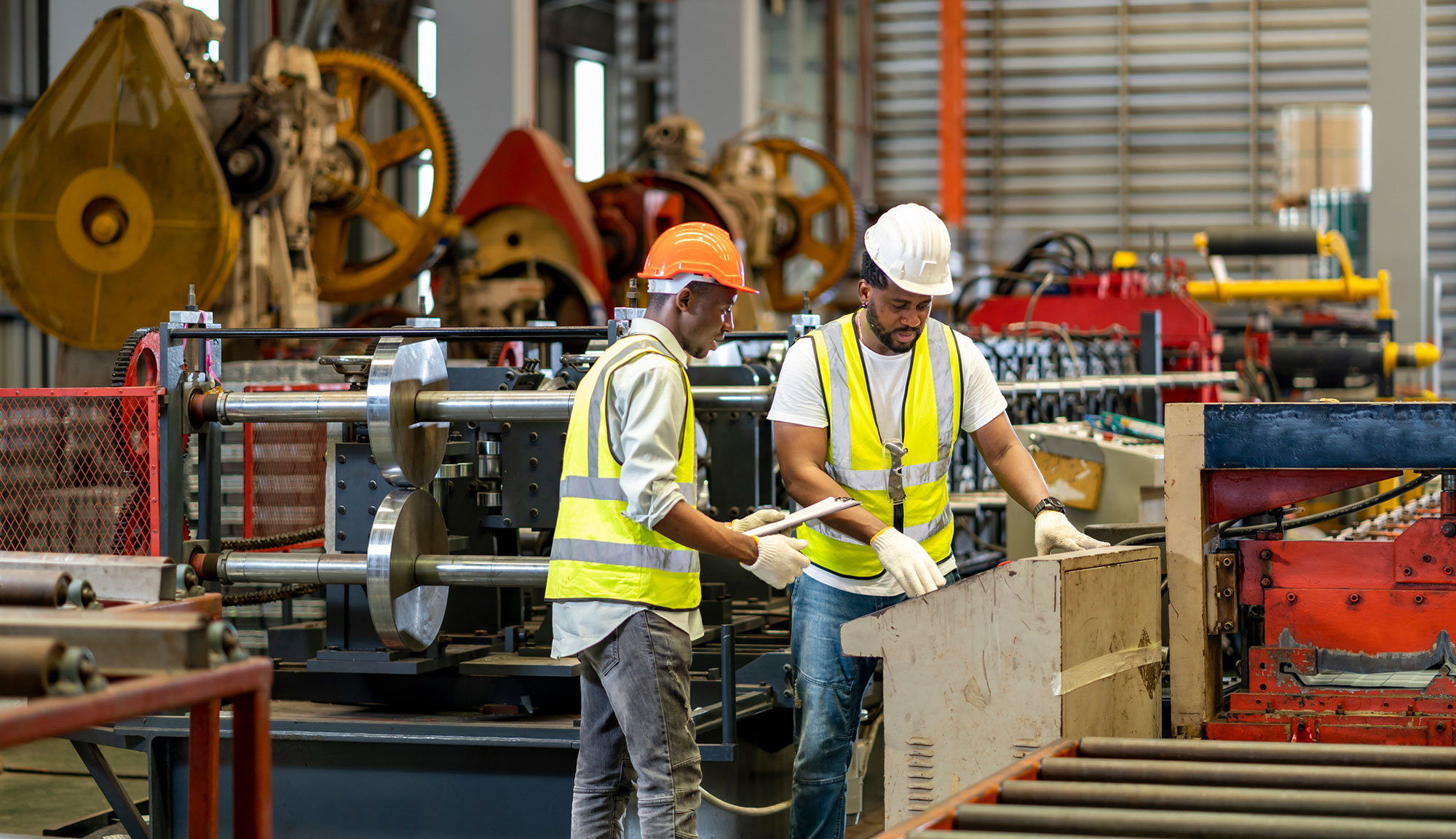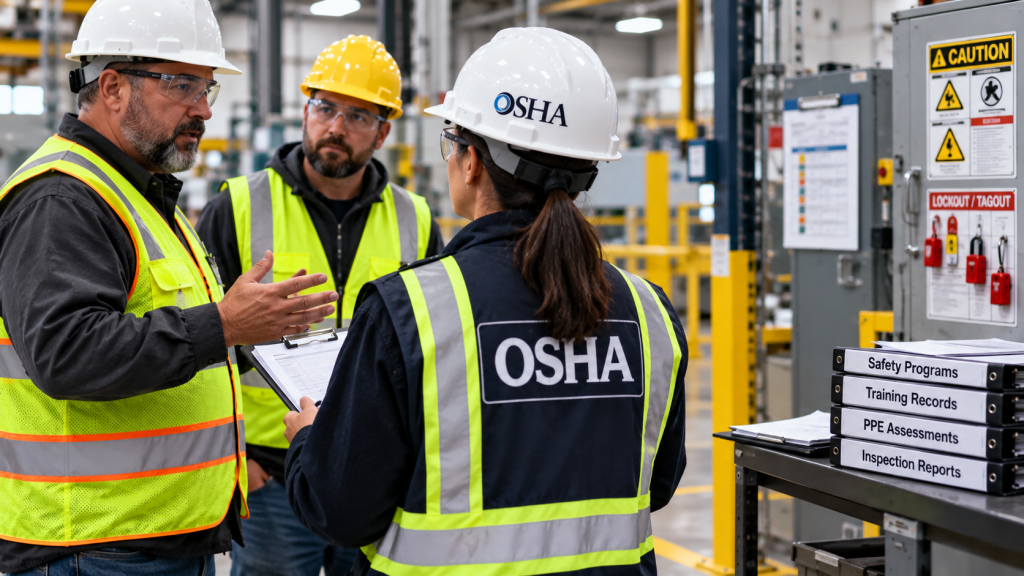
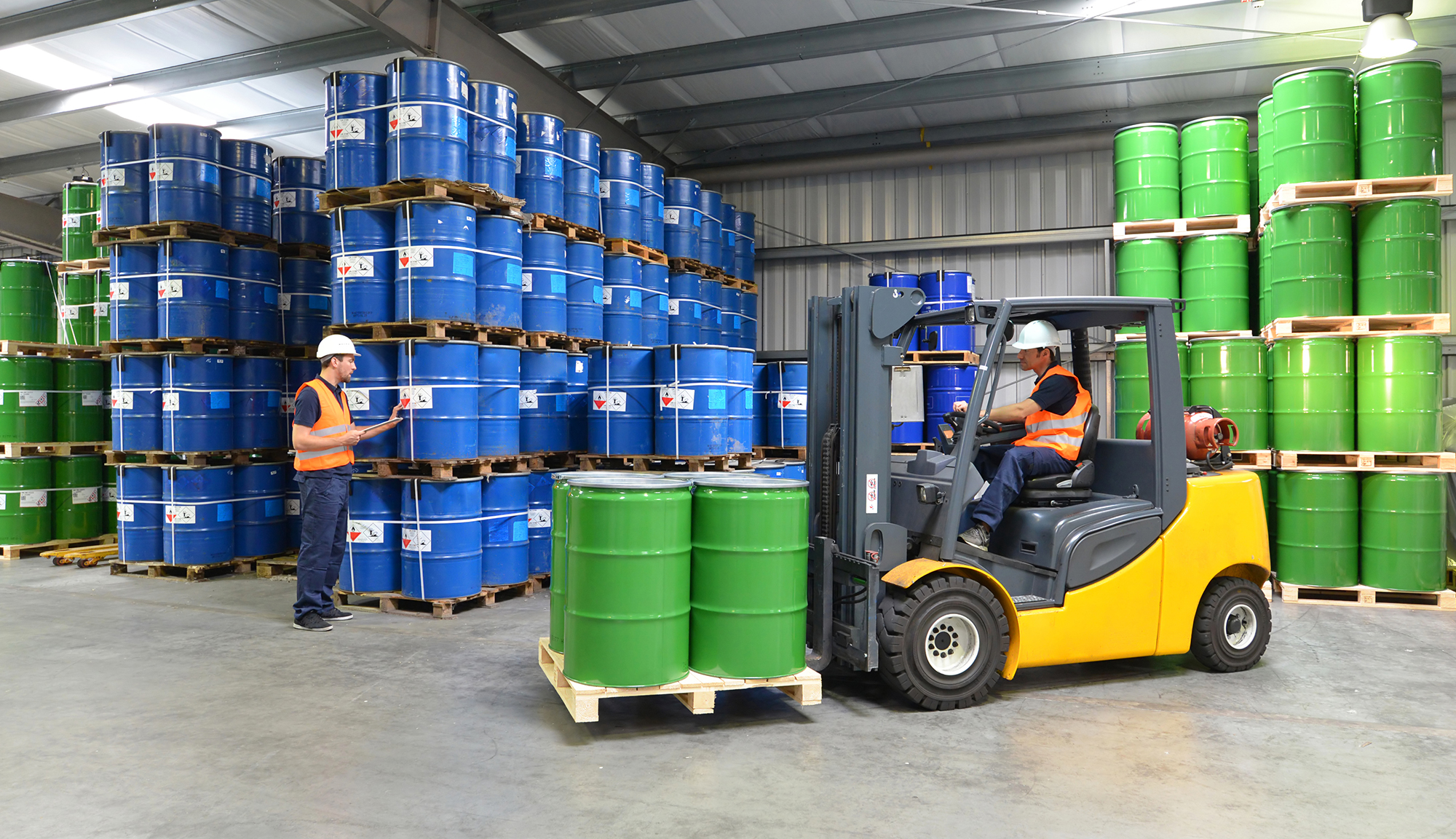
Confined space entry in a chemical plant cannot be treated as routine work.
A tank may look empty. A vessel may be out of service. A pit may seem accessible. But inside these spaces, workers may face oxygen deficiency, toxic gases, flammable vapors, chemical residue, engulfment hazards, poor ventilation, or equipment hazards that can turn dangerous in minutes.
That is why confined space safety requires more than a permit form.
A strong program identifies every confined space, classifies the hazards, trains workers by role, tests the atmosphere, controls entry, prepares rescue procedures, and keeps documentation current. In chemical plants, that program must also reflect the specific materials, processes, and exposures workers face.
For facilities managing complex chemical, petrochemical, and plastics operations, chemical, petrochemical, and plastics safety support can help align PPE, gas detection, training, and safety programs with real plant conditions.
Why Confined Space Entry Is So High-Risk in Chemical Plants
Chemical plants contain many spaces that were not designed for continuous worker occupancy but may still require entry for cleaning, maintenance, inspection, repair, or emergency response.
These may include tanks, vessels, silos, pits, vaults, containment areas, process equipment, underground access points, and poorly ventilated enclosures.
The uploaded draft explains that confined spaces typically have limited entry and exit points, are large enough for workers to enter and perform tasks, and are not designed for continuous occupancy. It also notes that chemical and petrochemical facilities may contain storage tanks, production vessels, containment zones, process areas, and other spaces where atmospheric hazards can develop.
The risk is serious because conditions can change quickly.
A worker may enter a space after initial testing, but residue can release vapor. Cleaning can disturb trapped gases. Ventilation can fail. Welding or cutting can consume oxygen. Chemical reactions can create new hazards. A worker who is not trained to recognize these changes may not have time to self-rescue.
Understanding OSHA’s Permit-Required Confined Space Standard
OSHA 1910.146 separates confined spaces from permit-required confined spaces.
A confined space becomes permit-required when it contains or has the potential to contain hazards that can cause death or serious physical harm. These hazards may include atmospheric dangers, engulfment, internal configurations that could trap or asphyxiate workers, or other recognized serious hazards.
The uploaded draft highlights that OSHA 1910.146 requires employers to evaluate confined spaces and classify them as permit-required or non-permit spaces based on the hazards present.
A compliant program should address:
- Confined space identification
- Permit-required space classification
- Employee notification and signage
- Atmospheric testing
- Entry permits
- Ventilation and hazard control
- PPE selection
- Entrant responsibilities
- Attendant responsibilities
- Entry supervisor responsibilities
- Rescue procedures
- Training and retraining
- Recordkeeping
- Program review
The purpose is not to create paperwork. The purpose is to prevent workers from entering spaces where hazards have not been identified, controlled, and communicated.
Start With a Facility-Wide Confined Space Inventory
A confined space program begins with a complete inventory.
Safety managers should walk the facility and identify every space workers may enter during routine operations, maintenance, cleaning, inspection, shutdowns, emergency response, or contractor work.
The uploaded draft recommends assessing production zones, maintenance areas, warehouses, process equipment locations, tanks, vessels, pits, containment zones, underground access points, and maintenance areas with limited ventilation.
Your inventory should include:
- Space name or ID number
- Location
- Space type
- Entry points
- Classification status
- Known hazards
- Potential hazards
- Required testing
- Required controls
- PPE needs
- Rescue considerations
- Authorized entry conditions
This inventory should not sit untouched after creation. It must be updated when equipment changes, processes change, chemicals change, spaces are added, or hazards are reclassified.