Warehouse and distribution center safety depends on more than training, mirrors, floor markings, and reminders. Those controls matter, but busy facilities still create moments where a forklift operator cannot see a pedestrian, a worker steps into a travel lane, or a load blocks the line of sight.
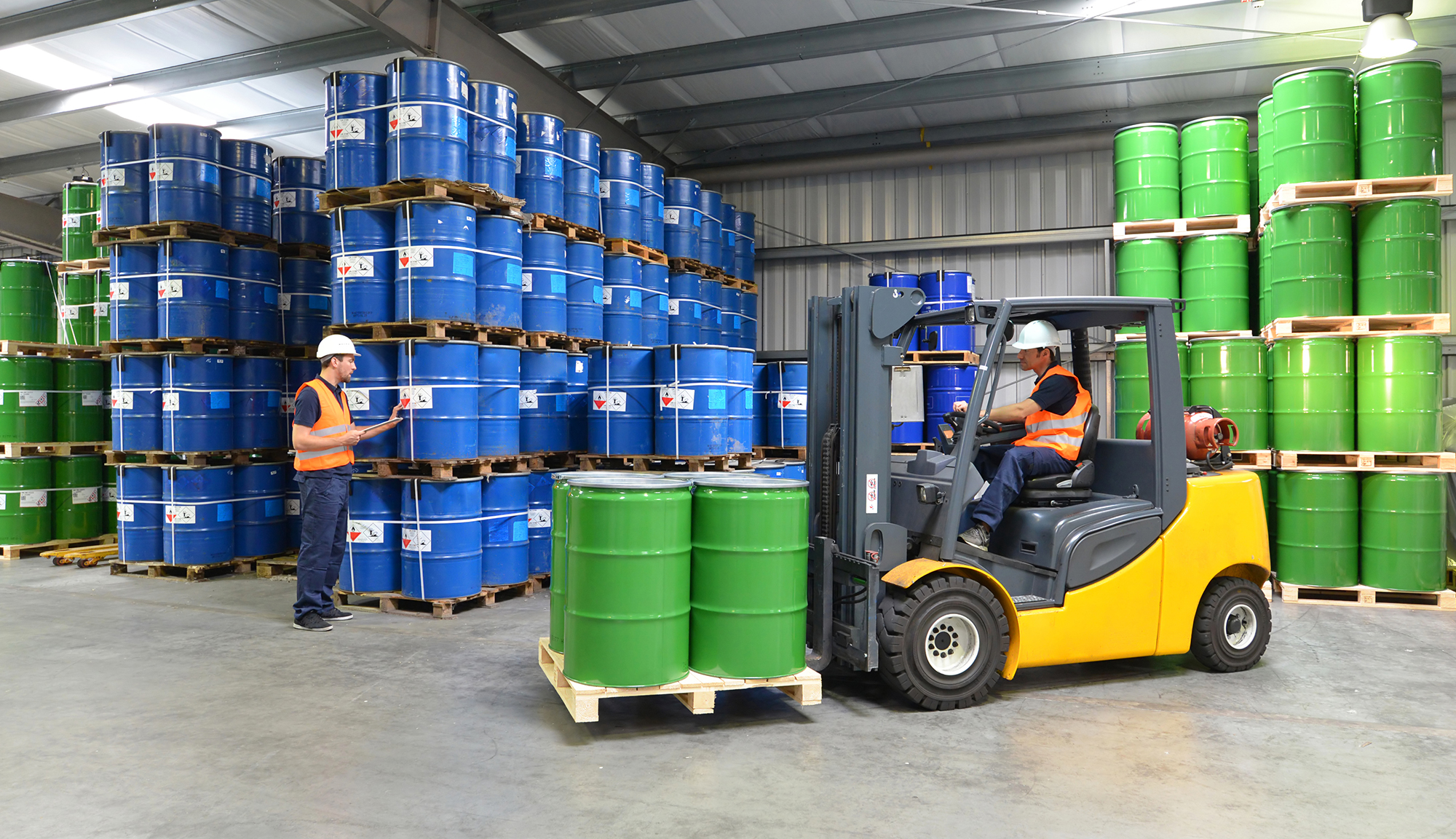
In high-volume environments, forklifts and pedestrians often move through the same space. Receiving docks, cross-aisles, staging zones, shipping lanes, storage aisles, packing areas, and returns departments can all become points of interaction. One blind corner or one distracted moment can create a serious incident.
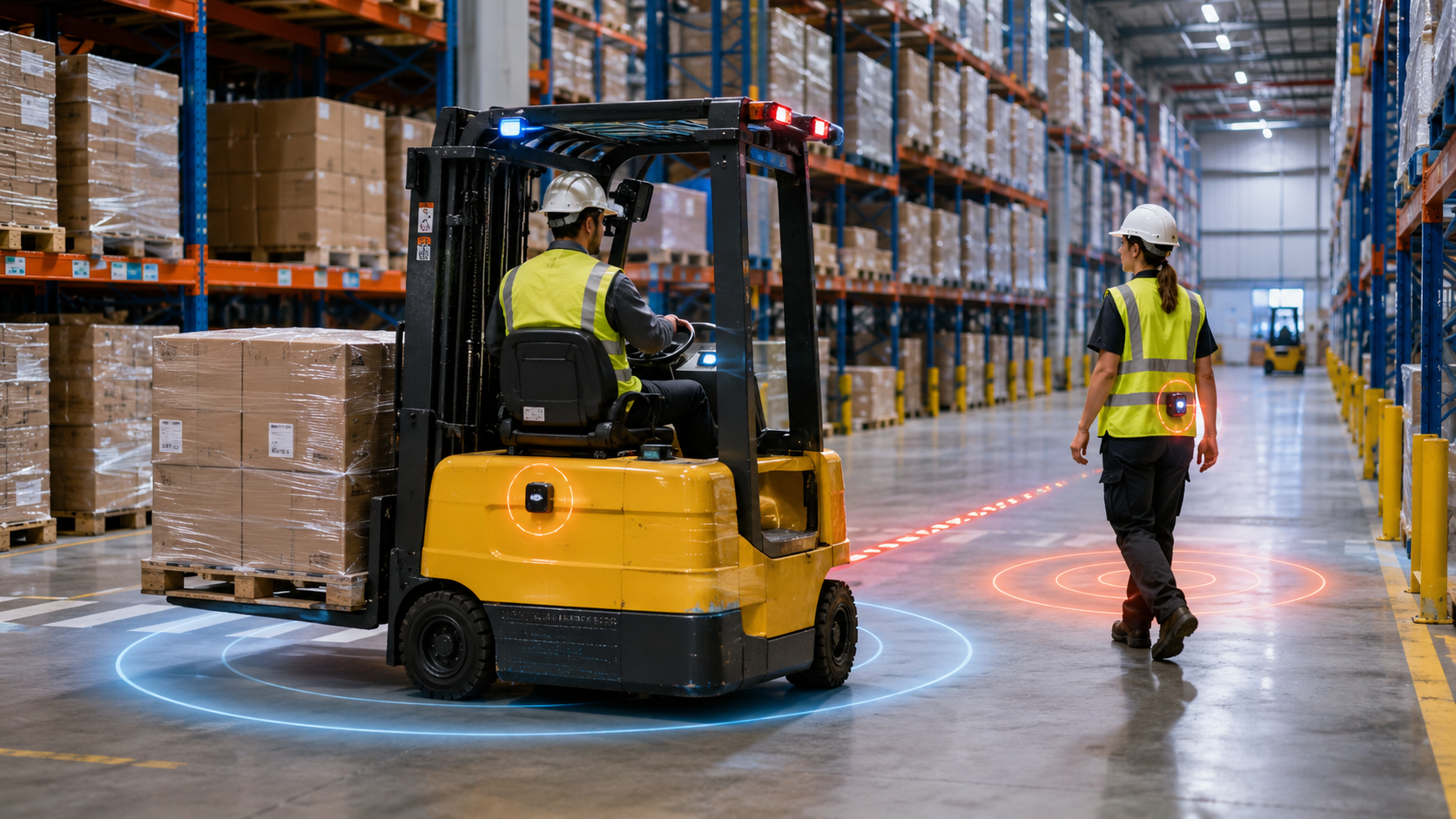
TruSense safety technology gives warehouse and distribution teams another layer of protection. It is designed to improve real-time awareness when forklifts, pedestrians, and equipment operate near each other, helping facilities reduce collision risk before a close call becomes an injury.
For companies building smarter safety programs, Arbill supports teams with PPE, safety services, technology solutions, and practical guidance for high-risk workplace environments.
Why Warehouses Need Real-Time Safety Technology
Warehouses and distribution centers operate under constant pressure. Products move quickly, workers shift between tasks, and equipment traffic changes throughout the day.
Traditional Controls Still Have Limits
Most facilities already use basic forklift safety controls. Operators are trained. Walkways are marked. Mirrors are installed. Horns, lights, signage, speed limits, and supervisor reminders are often part of the program.
The challenge is that many of these controls depend on someone noticing the hazard in time. A mirror only works if the worker looks at it. A horn only works if the pedestrian hears it and reacts. A floor marking only works if people stay inside the correct path. Training only works when workers remember it during a fast-paced shift.
These tools are still important, but they do not eliminate blind spots or momentary lapses in attention.
Forklift and Pedestrian Interaction Is Constant
Forklifts are essential in warehouse operations. They move pallets, unload trailers, stage outbound freight, replenish storage locations, and support shipping and receiving. Pedestrians move through the same facility to pick orders, inspect freight, handle returns, perform maintenance, or access workstations.
That shared environment creates risk. A load may block the operator’s view. A pedestrian may cross a travel lane. Racking may create a blind corner. A dock area may be congested with trailers, pallets, and workers.
In these moments, real-time alerts can help close the awareness gap.
Distribution Centers Need Scalable Solutions
Distribution centers often manage multiple shifts, temporary workers, seasonal peaks, changing layouts, and mixed equipment fleets. A safety solution has to work across different crews, forklifts, and facility zones without slowing operations.
Arbill’s warehousing, 3PL, and data center safety solutions highlight how busy facility environments benefit from safety technology that supports real-time awareness where forklifts and pedestrians work near each other.