OSHA compliance in oil and gas operations is not a single requirement or one-time audit task. It is a complete safety system that must address fast-changing field conditions, hazardous energy, toxic gases, confined spaces, vehicle movement, high-pressure equipment, chemical exposure, hot work, fall hazards, fire risk, and emergency response.
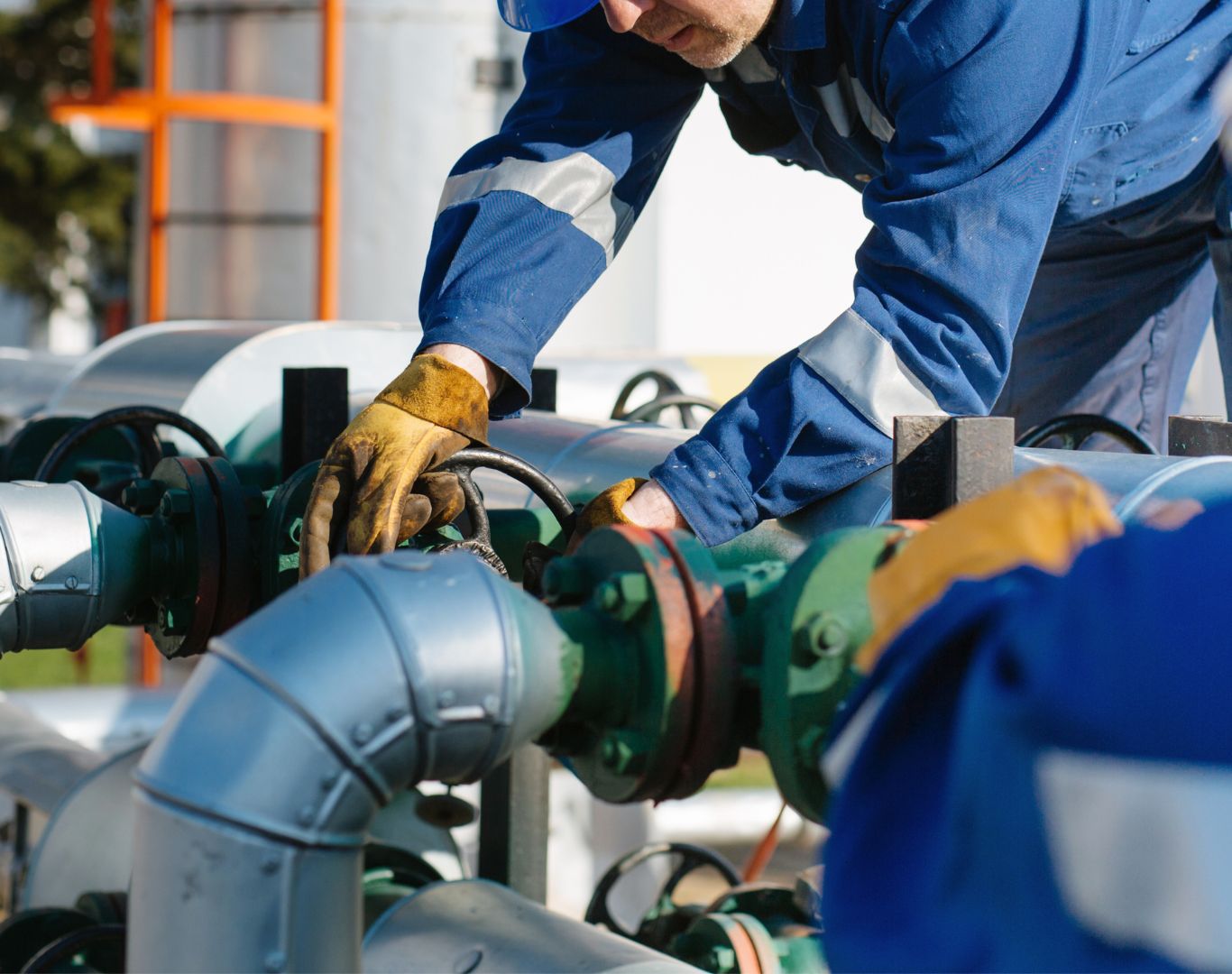
Oil and gas work often takes place in remote, complex, and high-risk environments. Workers may move between drilling sites, production facilities, wellheads, pipelines, terminals, tanks, service yards, and maintenance areas where hazards can change quickly. A safe area can become dangerous when equipment fails, gas is released, a line is opened, or weather and emergency conditions change the job.
That is why OSHA compliance must be built into daily planning, not handled only when an inspection is expected.
For companies managing these demanding environments, Arbill supports safety teams with PPE, safety services, training resources, gas detection, and practical solutions built around real oil and gas hazards.
Why OSHA Compliance Matters in Oil and Gas
Oil and gas operations expose workers to serious hazards that can result in severe injuries, fatalities, operational shutdowns, and costly investigations.
High-Risk Work Requires Reliable Systems
Oil and gas teams may work around high-pressure lines, rotating equipment, energized systems, tanks, confined spaces, flammable vapors, vehicles, cranes, pumps, compressors, and changing atmospheric conditions. Each hazard needs clear procedures, trained workers, and the right controls.
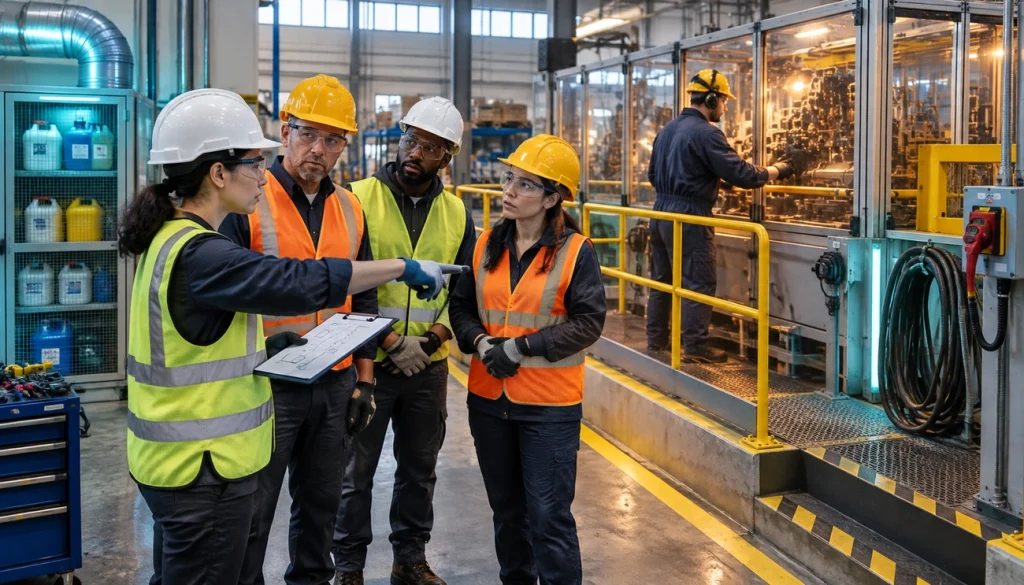
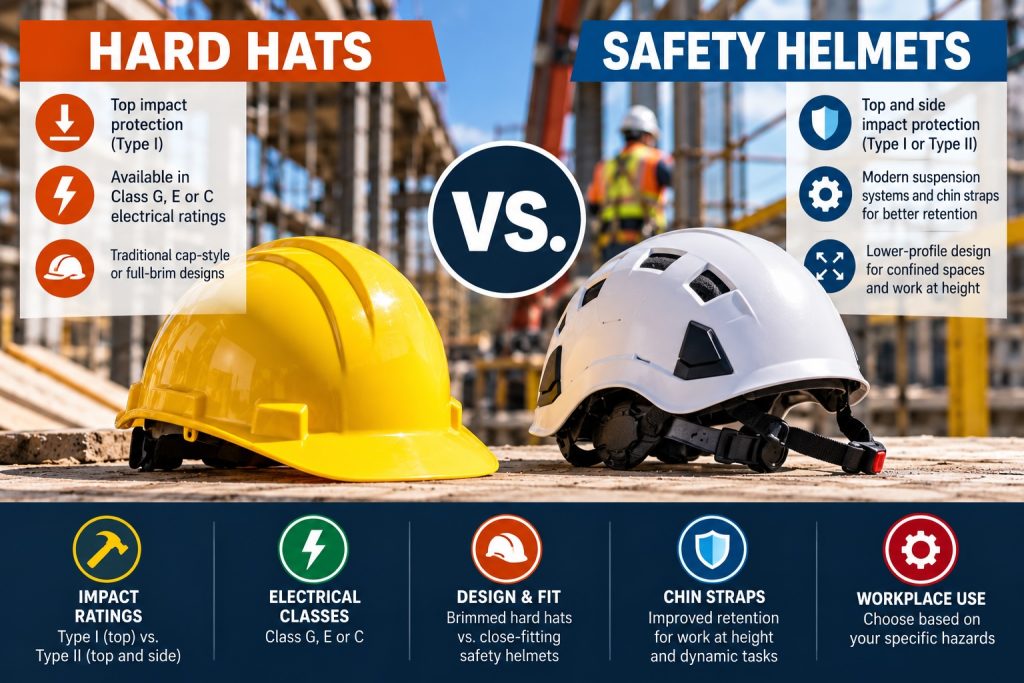
Compliance helps create structure. It defines expectations for training, PPE, hazard communication, respiratory protection, lockout/tagout, confined space entry, fall protection, emergency response, and recordkeeping.
Hazards Can Change Quickly
A routine maintenance task can become hazardous when a valve is opened, a line is broken, or a confined space atmosphere changes. A well site may test safe at one moment and become dangerous after a release or process upset.
This is why oil and gas compliance programs must be task-based. Safety planning should reflect the work being performed, the equipment involved, the chemicals present, and the conditions workers may encounter during the job.
Documentation Supports Accountability
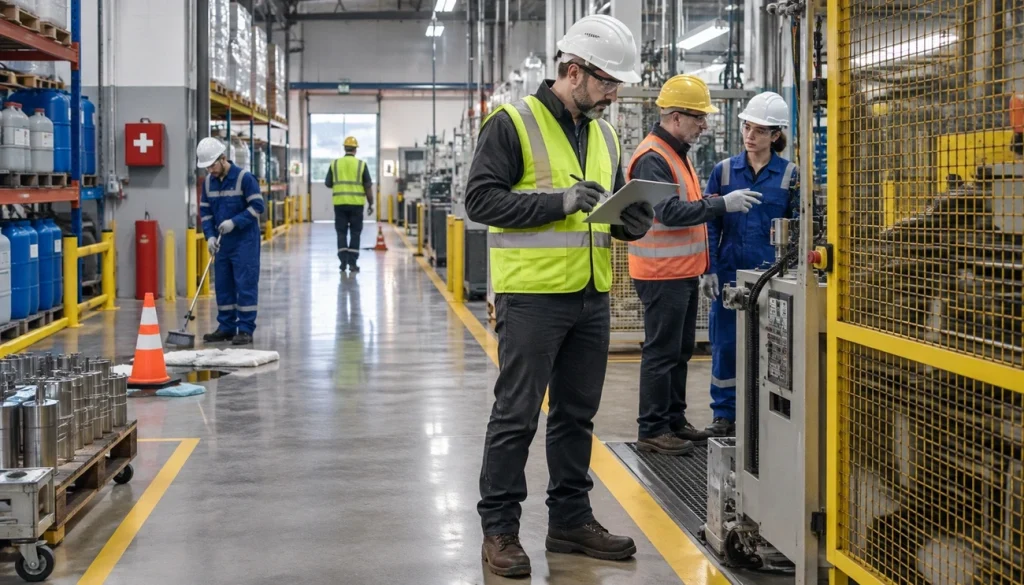
OSHA compliance also depends on documentation. Safety teams should maintain records for training, inspections, gas monitoring, PPE selection, respirator fit testing, incident investigations, corrective actions, and safety meetings.
Good documentation helps prove compliance, but it also helps identify patterns before they become serious incidents.
Core OSHA Hazards in Oil and Gas Operations
Oil and gas operations bring together many hazard categories. A strong compliance program should identify which hazards exist at each site and how workers are protected.
Vehicle, Struck-By, and Caught-Between Hazards
Workers may travel long distances to remote sites, move around heavy equipment, handle pipe, work near trucks, and operate around cranes, forklifts, pumps, and rig equipment. Vehicle collisions, struck-by incidents, and caught-between hazards remain major concerns.
Controls may include traffic plans, spotters, high-visibility apparel, equipment inspections, exclusion zones, communication procedures, and training for workers operating near vehicles and moving equipment.
Explosions, Fires, and Hot Work
Oil and gas environments may contain flammable gases, vapors, and liquids. Hot work, welding, cutting, grinding, electrical work, and equipment failures can create ignition risks.
Compliance planning should include gas monitoring, hot work permits, fire protection, ignition source control, emergency procedures, and PPE appropriate for the exposure.
Falls, Confined Spaces, and High-Pressure Equipment
Workers may perform tasks on platforms, ladders, tanks, rigs, truck beds, elevated equipment, and uneven surfaces. Fall protection must be planned around the actual work location and rescue needs.
Confined spaces such as tanks, vessels, pits, vaults, and enclosed equipment require careful evaluation, atmospheric testing, permit procedures, attendants, rescue planning, and proper training.
High-pressure equipment creates additional risks from line failures, releases, injection injuries, and stored energy. Workers must understand isolation procedures, pressure verification, and safe work practices before opening or servicing systems.