Chemical safety cannot be managed with one generic rule.

A plant may have strong labels, stocked PPE, and written procedures, but workers can still be exposed if the program does not address how chemicals actually enter the body. In chemical, petrochemical, and plastics operations, exposure often happens through three major routes: splash, vapor inhalation, and skin absorption.

Each one behaves differently. Each one creates different health risks. Each one requires different controls.

A splash can injure the eyes or skin in seconds. A vapor can enter the lungs before a worker sees any visible warning. A chemical absorbed through the skin may cause harm without immediate pain, burning, or irritation.

That is why plant safety managers need a chemical safety program that looks beyond the container label and focuses on real exposure pathways.

For facilities managing chemical-intensive operations, chemical, petrochemical, and plastics safety support can help align PPE, training, hazard assessment, and safety planning with the way workers actually handle chemicals on the floor.

Why Chemical Exposure Routes Matter

Chemical exposure is not one hazard.

It is a set of different pathways that can affect workers in different ways. A corrosive liquid may cause immediate injury when it splashes into the eye. A solvent vapor may affect breathing, alertness, or long-term organ health. A substance that looks harmless on the skin may pass through the skin barrier and enter the bloodstream.

The uploaded draft identifies three primary workplace chemical exposure routes: direct splashes, inhaled vapors, and skin absorption. It also emphasizes that each hazard type requires specific protection methods and targeted worker training.

This matters because the wrong control can create a false sense of safety.

Safety glasses may not protect against a full-face splash. Gloves may not protect against a vapor. A respirator may not protect skin from absorption. A lab coat may not resist the chemical being handled.

A strong chemical safety program starts by asking one simple question: how can this chemical reach the worker?

Hazard Category 1: Chemical Splash

Splash hazards occur when liquid chemicals contact the eyes, face, skin, or clothing.

These incidents can happen during routine work. A worker pours from one container to another. A hose connection releases pressure. A valve leaks. A drum pump slips. A container tips. A line is opened during maintenance. A splash can happen quickly, even during a task the worker has performed many times.

The uploaded draft notes that splash hazards often occur during pouring, mixing, transferring chemicals, connecting hoses, chemical dispensing, equipment maintenance, and emergency response. It also highlights that acids, bases, solvents, and other liquids can cause serious injury depending on concentration, contact time, and affected body area.

Splash risks are especially serious for the eyes. Chemical contact with the eye can cause rapid injury and may lead to permanent damage if emergency flushing is delayed.

Protecting Workers From Splash Hazards

Splash protection should be based on the chemical, volume, pressure, task, and likelihood of exposure.

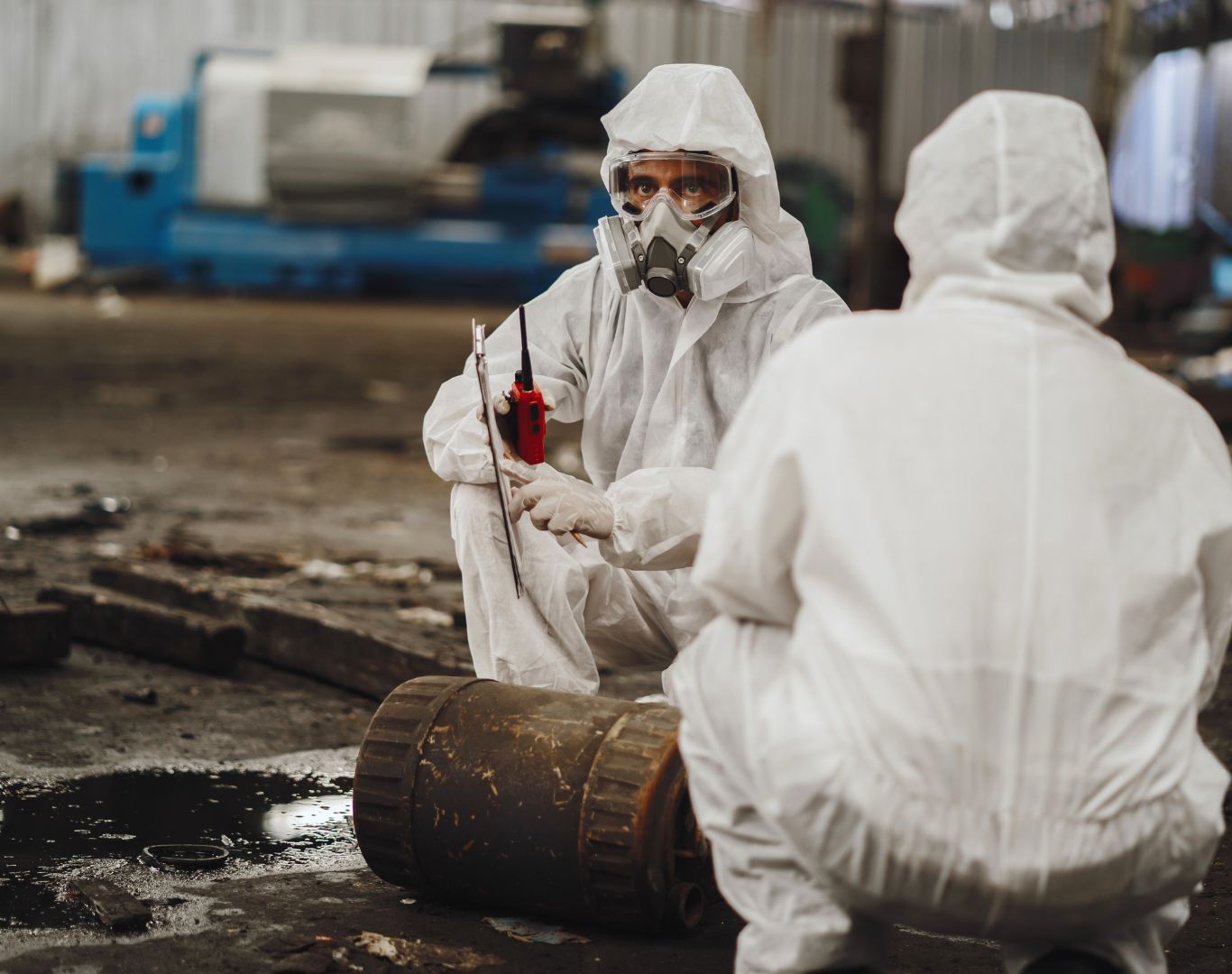
At minimum, workers may need chemical splash goggles, face shields, gloves, aprons, sleeves, or chemical-resistant clothing. For higher-risk tasks, full-body protection may be required.

OSHA’s eye and face protection standard requires employers to ensure affected employees use appropriate eye or face protection when exposed to hazards from liquid chemicals, acids or caustic liquids, chemical gases or vapors, and other listed hazards.

Splash protection may include:

  • Chemical splash goggles
  • Face shields used with goggles
  • Chemical-resistant gloves
  • Aprons
  • Sleeves
  • Coveralls
  • Chemical-resistant boots
  • Full-body suits for high-volume or high-severity exposure
  • Eyewash and safety shower access
  • Spill response materials

For facilities selecting equipment, eye and face protection should be matched to the hazard, not selected as a generic PPE item.

A face shield alone should not replace splash goggles when there is a risk of liquid chemical exposure to the eyes. The system should protect the eyes, face, and skin areas likely to be exposed during the task.


Explore Our Solutions!
How to Protect Your Team from Splash, Vapor, and Skin Absorption Hazards

Hazard Category 2: Vapor Inhalation

Vapor hazards occur when chemicals evaporate, disperse into the air, and enter the body through breathing.

Some vapors cause immediate symptoms such as irritation, dizziness, headache, nausea, or coughing. Others may not produce obvious warning signs right away but can still cause serious health effects after repeated or prolonged exposure.

The uploaded draft explains that vapor hazards can arise from volatile chemicals, open containers, poor ventilation, heating operations, confined spaces, solvent cleaning, welding fumes, paint booths, and similar work activities. It also notes that temperature can increase vapor release rates and that large surface areas such as spills or open tanks may release more vapor than sealed containers.

This makes vapor exposure difficult to manage by observation alone. Workers may not see the hazard, and odor is not a reliable warning system.

Controlling Vapor Inhalation Risks

The best way to control vapor exposure is to reduce or capture the hazard before workers breathe it.

That may include substitution, closed systems, local exhaust ventilation, general ventilation, process enclosure, lower-temperature handling, improved container management, and exposure monitoring. Respirators may be needed when engineering controls are not enough, are not feasible, or are being installed.

OSHA’s Respiratory Protection Standard requires employers to provide respirators when necessary to protect worker health and to establish and maintain a respiratory protection program for employees required to use respirators.

Vapor protection may include:

  • Local exhaust ventilation
  • Closed transfer systems
  • Fume hoods
  • Properly sealed containers
  • Air monitoring
  • Chemical-specific respirator cartridges
  • Supplied-air systems where required
  • Cartridge change schedules
  • Fit testing
  • Medical evaluations
  • Worker training
  • Confined space entry controls when applicable

Respiratory protection should never be selected by guesswork. Cartridge type, exposure level, oxygen concentration, assigned protection factor, and work duration all matter.

Hazard Category 3: Skin Absorption

Skin absorption hazards are often underestimated because they may not cause immediate pain.

A chemical may pass through intact skin and enter the bloodstream without a visible burn or rash. Workers may believe they are safe because they do not feel discomfort, while exposure is still occurring.

The uploaded draft explains that organic solvents, pesticides, and some metals can absorb through the skin, and that absorption depends on chemical structure, skin condition, contact area, and exposure duration. It also notes that damaged or abraded skin may absorb chemicals faster than healthy skin.

OSHA’s dermal exposure guidance states that chemical absorption through the skin can occur without being noticed by the worker and may contribute to the overall dose absorbed from workplace exposure.

This is why skin protection must go beyond visible irritation. Plant safety managers should review Safety Data Sheets, glove compatibility, breakthrough times, and the actual tasks workers perform.

Protecting Workers From Skin Absorption

Gloves are often the first defense against skin absorption, but glove selection must be chemical-specific.

One glove material may resist a chemical well while another allows breakthrough. Nitrile, neoprene, butyl rubber, PVC, latex, and other materials perform differently depending on the chemical. Thickness, contact time, and glove condition also matter.

Skin protection may include:

  • Chemical-resistant gloves
  • Sleeves
  • Aprons
  • Coveralls
  • Chemical-resistant jackets and pants
  • Boots
  • Full-body suits
  • Proper doffing procedures
  • Contaminated clothing removal
  • Handwashing and hygiene rules
  • Prohibition on eating or drinking in exposure areas

For chemical handling tasks, protective clothing should be selected based on the chemical, splash potential, absorption risk, and task duration.

Workers also need training on contamination transfer. A glove can protect the hand during the task, then become a source of exposure if the worker touches a phone, face, tool handle, or doorknob before removing or cleaning it properly.

As long as people go to work, we have an opportunity to help protect them.

Julie Copeland
Arbill CEO

Julie Copeland Arbill CEO

Why SDS Review Is Not Optional

Safety Data Sheets are central to chemical hazard control.

They help identify health hazards, routes of exposure, PPE recommendations, first aid measures, spill procedures, storage requirements, incompatible materials, and exposure controls. OSHA’s Hazard Communication Standard requires employers with hazardous chemicals to provide information to employees through a hazard communication program, labels, safety data sheets, and training.

A plant safety manager should use SDS information to answer:

  • Can this chemical splash?
  • Can it release harmful vapor?
  • Can it absorb through the skin?
  • What PPE is recommended?
  • What glove material is appropriate?
  • What ventilation is needed?
  • What first aid steps are required?
  • What storage rules apply?
  • What happens during a spill?
  • What training do workers need?

SDS review should not be a binder exercise. It should shape real procedures on the floor.

High-Risk Tasks Plant Safety Managers Should Review

Chemical exposure often happens during routine work.

The uploaded draft identifies several high-risk situations, including transfer operations, maintenance tasks, confined spaces, hot work, cleaning, batch processing, chemical dispensing, and emergency response.

Plant safety managers should pay close attention to:

  • Pouring chemicals
  • Mixing batches
  • Connecting or disconnecting hoses
  • Opening lines or valves
  • Cleaning tanks or vessels
  • Using solvents or degreasers
  • Handling acids or caustics
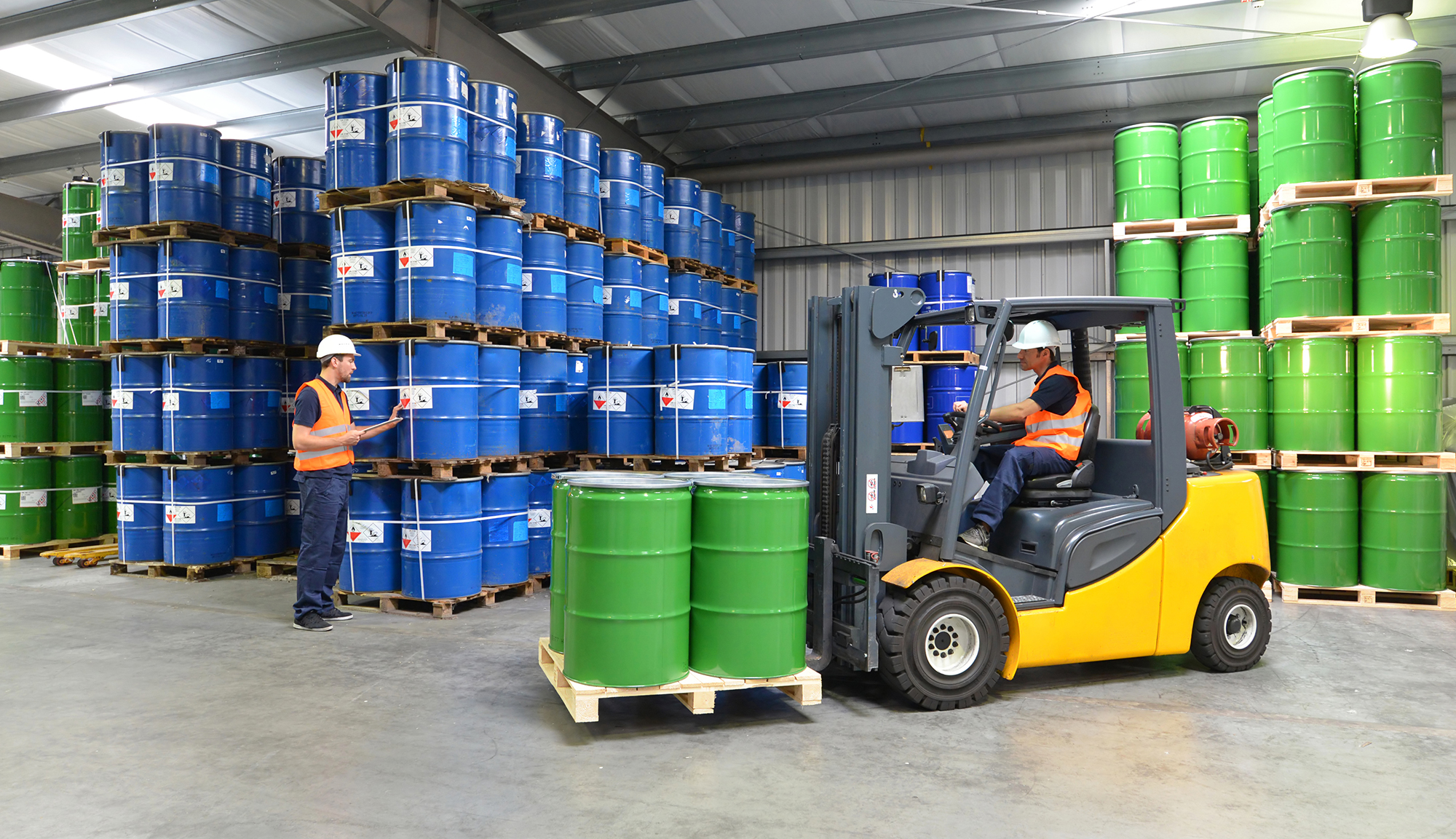
  • Transferring drums or totes
  • Working near open containers
  • Performing hot work near residues
  • Responding to spills
  • Changing filters
  • Maintaining pumps
  • Working in confined or poorly ventilated areas
  • Handling contaminated clothing or PPE

These are the moments when exposure controls are tested. The written procedure should match the task as performed, not the ideal version of the task.

Hazard Assessments Must Reflect Real Work

A chemical hazard assessment should look at the workplace as it actually operates.

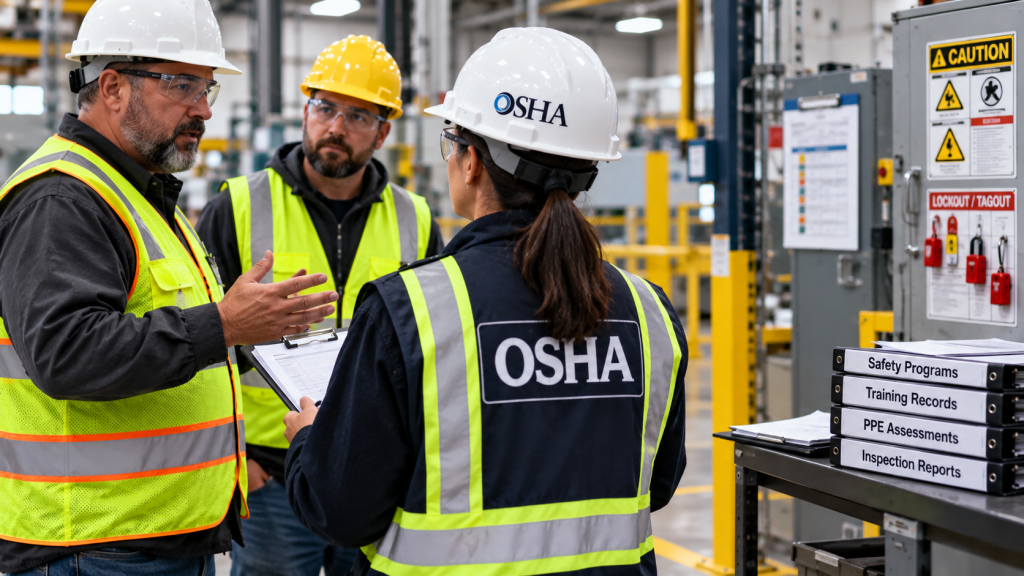
It is not enough to list chemicals. Safety managers need to observe how workers use them, where they are stored, how they are moved, how often they are handled, what happens during maintenance, and how emergency response would occur.

A strong assessment should include:

  • Full chemical inventory
  • SDS review
  • Task observation
  • Storage area review
  • Transfer route mapping
  • Ventilation review
  • PPE evaluation
  • Emergency equipment inspection
  • Worker interviews
  • Spill history review
  • Near-miss review
  • Training record review
  • Contractor exposure review

The uploaded draft recommends observing actual work practices rather than relying only on written procedures because employees may handle chemicals differently during routine tasks.

This is where a broader EHS perspective helps. Arbill’s safety topics and resources provide additional guidance for EHS leaders reviewing hazards, PPE, training, and compliance challenges.

Engineering Controls Should Come Before PPE

PPE is important, but it should not be the only control.

Engineering controls can reduce exposure at the source. Local exhaust ventilation can capture vapors before they spread. Enclosed systems can reduce manual contact. Automated dispensing can reduce splash risk. Secondary containment can limit spill spread. Proper storage can prevent incompatible chemical contact.

Controls may include:

  • Local exhaust ventilation
  • Process enclosure
  • Closed transfer systems
  • Splash guards
  • Pump systems
  • Secondary containment
  • Proper container storage
  • Spill control equipment
  • Ventilation alarms
  • Interlocks
  • Emergency shutoff systems

PPE should support the control system, not compensate for a poorly controlled process.

Emergency Equipment Must Be Ready

When chemical exposure happens, response time matters.

Eyewash stations and safety showers should be accessible, functional, clearly marked, and located close enough to exposure points. Workers should know where they are and how to use them. Spill kits should be stocked and appropriate for the chemicals in the area.

Emergency readiness should include:

  • Eyewash stations
  • Safety showers
  • Spill kits
  • Neutralizers where appropriate
  • Absorbents
  • Disposal containers
  • Emergency communication
  • First aid procedures
  • Evacuation routes
  • Incident reporting
  • Decontamination procedures

The uploaded draft emphasizes that eyewash stations and safety showers must be tested and ready because they may be needed immediately after splash incidents.

A worker should not have to search for emergency equipment during a chemical exposure.

See Our Safety Services!
chemical-resistant PPE

Training Workers by Exposure Route

Chemical safety training should be practical.

Workers need to understand the difference between splash, vapor inhalation, and skin absorption. They need to know which hazards apply to their tasks and what controls are required.

Training should cover:

  • Chemical labels and SDS use
  • Splash hazards
  • Vapor hazards
  • Skin absorption hazards
  • PPE selection and limitations
  • Glove compatibility
  • Respirator use and limitations
  • Ventilation basics
  • Emergency shower and eyewash use
  • Spill response
  • Contaminated clothing removal
  • Proper doffing
  • Hygiene practices
  • Reporting symptoms or incidents
  • Stop-work authority

The uploaded draft recommends hands-on PPE practice, task-specific procedures, and refresher training when new chemicals arrive, processes change, or incidents reveal knowledge gaps.

Training should help workers recognize exposure before it becomes an injury.

Keeping the Program Current

Chemical safety programs need regular review.

Processes change. New chemicals arrive. Concentrations change. Substitutions happen. Ventilation systems degrade. PPE products change. Workers find shortcuts. Contractors enter work areas. Near misses reveal gaps.

A strong program should include:

  • Regular chemical inventory updates
  • Annual SDS review
  • PPE compatibility review
  • Ventilation checks
  • Emergency equipment testing
  • Training refreshers
  • Incident investigation
  • Worker feedback
  • Exposure monitoring where needed
  • Procedure updates
  • Contractor communication
  • Documentation review

The uploaded draft notes that compliance does not end after initial training. Ongoing audits, updated chemical inventories, exposure incident reporting, and training records help keep protection measures effective.

Chemical safety is not a one-time rollout. It is an active system.

Conclusion

Plant safety managers need to address chemical exposure by route: splash, vapor inhalation, and skin absorption.

Each hazard category creates different risks and requires different controls. Splash protection focuses on eyes, face, skin, emergency flushing, and chemical-resistant clothing. Vapor protection depends on ventilation, exposure control, monitoring, and respiratory protection. Skin absorption control requires chemical-specific gloves, protective clothing, hygiene, and contamination prevention.

A strong program begins with a real hazard assessment, not assumptions. It uses SDS information, observes actual work, selects the right PPE, maintains emergency equipment, trains workers by task, and updates procedures when conditions change.

Chemical exposure can happen quickly, silently, or gradually. The safest plants prepare for all three.

Request a Safety Assessment

Recent Posts

Material Handling Equipment That Cuts Warehouse Injuries and Insurance Costs
Warehouse Ergonomics: How the Right Material Handling Equipment Reduces Injuries and Insurance Costs

Warehouse Ergonomics: How the Right Material Handling Equipment Reduces Injuries and Insurance Costs

Why OSHA Lockout Tagout Failures Still Cause Serious Injuries in Utilities
Lockout/Tagout in Utilities: Why LOTO Failures Are Still One of the Leading Causes of Serious Injuries

Lockout/Tagout in Utilities: Why LOTO Failures Are Still One of the Leading Causes of Serious Injuries

How to Build a Confined Space Training Program That Meets OSHA Standards and Protects Your Team
Confined Space Entry in Chemical Plants: Building a Program That Satisfies OSHA and Keeps Workers Safe

Confined Space Entry in Chemical Plants: Building a Program That Satisfies OSHA and Keeps Workers Safe

Emergency Response Planning for Data Centers and Why IT and Facilities Teams Must Work Together
Data Center Safety: Why IT and Facilities Teams Need a Coordinated PPE and Emergency Response Plan

Data Center Safety: Why IT and Facilities Teams Need a Coordinated PPE and Emergency Response Plan

The Real Cost of Recordable Incidents in Oil & Gas
The True Cost of a Recordable Incident in Oil & Gas — and How Managed Safety Services Change the Math

The True Cost of a Recordable Incident in Oil & Gas — and How Managed Safety Services Change the Math