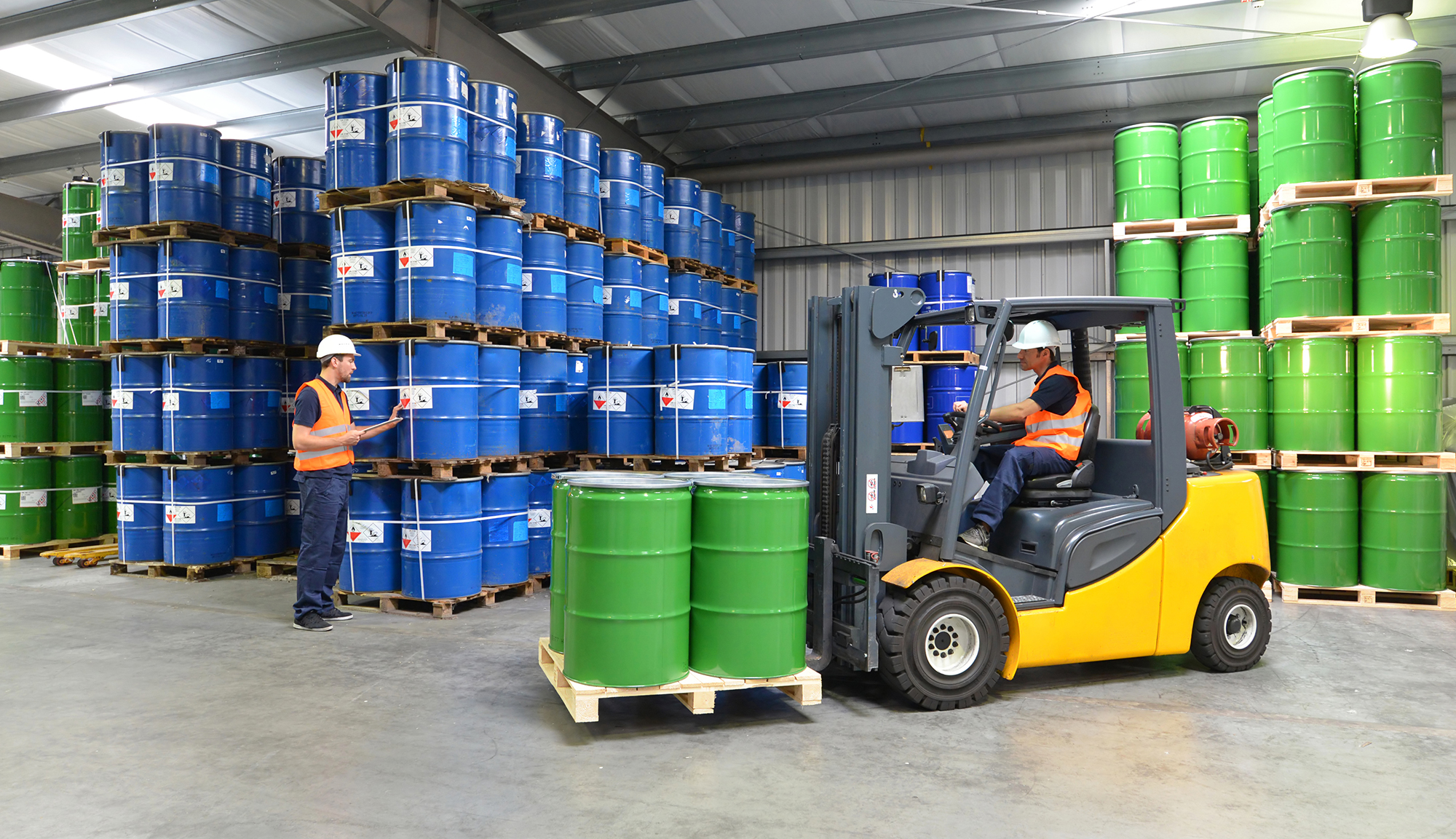
Industrial warehouses may not look like traditional high-heat workplaces, but employees can still face significant heat strain during demanding shifts.

Order picking, pallet handling, trailer loading, receiving, replenishment, packing, and material movement all require physical effort. The risk can increase when facilities have limited climate control, high humidity, crowded storage layouts, hot loading docks, radiant heat from roofs, or employees working in protective clothing.

Heat exposure is also rarely uniform throughout a warehouse. A worker loading trailers may experience very different conditions from someone stationed near an air-conditioned office. Employees on mezzanines, near dock doors, inside trailers, or in poorly ventilated storage areas may face higher temperatures than the readings taken elsewhere in the building.

Providing a water cooler is a useful first step, but it does not create a complete hydration program. A dependable program evaluates heat exposure, places fluids close to employees, builds drinking opportunities into the shift, accounts for electrolyte loss, supports acclimatization, and trains supervisors to recognize early warning signs.

For warehouses seeking a structured approach, Arbill provides hydration products, safety expertise, and practical program support built around demanding industrial work.

Why Warehouse Workers Face Hydration Risks

Warehouse employees may develop heat strain even when they are not working outdoors. Heat exposure depends on more than the weather forecast.

Physical Work Generates Internal Heat

The body produces heat during physical activity. Repeated lifting, carrying, walking, pushing, pulling, climbing, and loading can increase body temperature even when the surrounding air does not feel extreme.

Warehouse employees may cover long distances during a shift while moving products or operating in areas where airflow is limited. Production targets and order deadlines may also encourage workers to delay water breaks.

The harder the body works, the more it relies on sweating to release heat. That fluid loss must be replaced consistently throughout the shift.

Trailers and Loading Docks Can Become Hot Zones

Employees entering trailers may experience much higher temperatures than workers on the main warehouse floor. Metal trailers can absorb and retain heat, particularly when parked in direct sunlight or waiting at a dock without active ventilation.

Loading and unloading also involve sustained physical effort. Workers may move quickly between the trailer and staging area while lifting, scanning, wrapping, stacking, or positioning freight.

A hydration station located in a distant break room may not provide practical access for these employees.

Humidity Reduces Cooling

Sweating cools the body most effectively when moisture can evaporate from the skin. High humidity slows that process.

A humid warehouse can therefore create substantial heat strain even when the temperature alone does not appear unusually high. Workers may continue sweating while receiving less cooling benefit.

Facilities should consider temperature, humidity, physical workload, radiant heat, airflow, clothing, and shift duration together when evaluating risk.

Protective Equipment Adds Thermal Load

Some warehouse tasks require high-visibility clothing, gloves, sleeves, respirators, chemical-resistant garments, head protection, or other protective equipment.

PPE can restrict airflow, trap body heat, or make drinking more difficult. Employees wearing impermeable clothing or respiratory protection may need more frequent recovery and hydration opportunities than workers in ordinary uniforms.

A single hydration rule applied to every warehouse employee may therefore overlook the workers carrying the greatest heat burden.

Why Water Availability Alone Is Not a Program

A case of bottled water or a cooler near the entrance does not guarantee that employees remain hydrated.

Workers May Wait Until They Feel Thirsty

Thirst should not be the only signal workers use to decide when to drink. During a busy shift, employees may remain focused on production and fail to notice early dehydration.

They may also avoid drinking because they do not want to leave their station, interrupt a workflow, or take additional restroom breaks.

A structured program encourages regular fluid intake before thirst becomes strong.

Water May Be Too Far From the Work

Accessibility matters. Employees are less likely to drink regularly when water is located far from loading docks, pick modules, packing stations, staging areas, or mezzanines.

Hydration stations should be positioned where workers can access them without creating long interruptions or leaving high-risk areas for extended periods.

The goal is to make safe hydration easier than skipping it.

Heavy Sweating Also Removes Electrolytes

Employees lose water and electrolytes through sweat. During shorter or less demanding work, cool potable water may be sufficient. Longer periods of heavy work or sustained heat exposure may require access to electrolyte-containing beverages as well.

Arbill’s guide on what to look for in a workplace hydration program explains why facilities need more than water availability. A useful program also considers drinking schedules, point-of-work access, PPE, thermal conditions, and supervisor involvement.

Electrolyte products should support the program rather than replace water or broader heat controls.


Explore Our Solutions!
Heatstress and Hydration Safety

Building a Warehouse Hydration Program

An effective program should reflect the specific facility, jobs, shifts, and heat conditions.

Begin With a Heat Exposure Assessment

Walk through the warehouse during representative operating conditions. Reviews performed in the morning or during mild weather may miss the conditions employees face during afternoon loading or peak summer operations.

The assessment should examine loading docks, trailers, upper storage levels, picking aisles, outdoor yards, staging areas, packing stations, maintenance spaces, and any work performed near heat-producing equipment.

Safety teams should also speak with employees. Workers can identify areas where heat builds, water is difficult to access, or schedules make it challenging to take breaks.

Identify Higher-Risk Tasks and Employees

Not every role needs the same hydration schedule.

Employees may face increased risk when they perform strenuous physical work, spend time inside trailers, wear heat-trapping PPE, work extended shifts, or are new to hot conditions.

New employees and workers returning after time away may not yet be acclimatized. Their workloads and heat exposure should increase gradually while they receive more frequent breaks and closer supervision.

Place Hydration Near the Work

Water and electrolyte products should be available in familiar, visible locations. Stations must be easy to reach and kept sufficiently stocked for the length of the shift.

Depending on warehouse size and layout, facilities may need stations near receiving, shipping, production areas, pick modules, outdoor yards, or trailer-loading zones rather than relying on one central location.

The containers and dispensing methods should also support sanitation. Shared cups or poorly maintained coolers can create additional concerns.

Build Drinking Into the Shift

Employees should not have to choose between meeting productivity expectations and drinking safely.

Supervisors can support scheduled drinking opportunities during hot work, reminding employees to consume fluids regularly instead of waiting until they feel thirsty. The schedule should become more protective as heat, humidity, workload, or PPE burden increases.

Hydration pauses may be combined with short recovery breaks in a cooler area when heat stress is elevated.

The Role of Electrolyte Hydration

Electrolyte replacement can be useful during prolonged sweating and demanding warehouse work.

Match the Product to the Work

A hydration product should be selected according to the work environment, shift duration, heat level, and employee needs.

Products that are too sweet or difficult to tolerate may discourage regular use. Facilities should also consider calorie, sodium, ingredient, and dietary requirements when selecting options for a broad workforce.

Arbill’s workplace hydration program supports customized planning based on heat exposure, PPE, physical activity, and working conditions. Available formats can include ready-to-drink products, powders, and freeze pops that can be distributed according to facility needs.

The product is only one component. Program effectiveness still depends on access, timing, training, monitoring, rest, and management support.

Avoid Treating Electrolytes as a Cure

Electrolyte beverages do not make unsafe heat exposure acceptable.

If conditions are too hot, the employer may also need ventilation, fans, cooled rest areas, schedule changes, job rotation, workload reduction, additional breaks, or other engineering and administrative controls.

Hydration supports heat illness prevention, but it cannot compensate for every uncontrolled hazard.

As long as people go to work, we have an opportunity to help protect them.

Julie Copeland
Arbill CEO

Julie Copeland Arbill CEO

Training Supervisors and Employees

Workers need to understand why the program exists and how to respond when heat-related symptoms appear.

Teach Early Warning Signs

Heat-related illness can begin with symptoms that seem minor or unrelated. Employees may experience thirst, headache, heavy sweating, weakness, dizziness, nausea, irritability, cramps, or unusual fatigue.

Supervisors should recognize that slowed reactions, reduced coordination, confusion, or changes in behavior may indicate that a worker needs immediate attention.

Workers should also be encouraged to monitor one another, particularly during high-heat work or when someone is newly assigned to the environment.

Explain When to Stop Work

Employees should know that reporting heat symptoms is not a failure to perform. Waiting can allow a manageable condition to become a medical emergency.

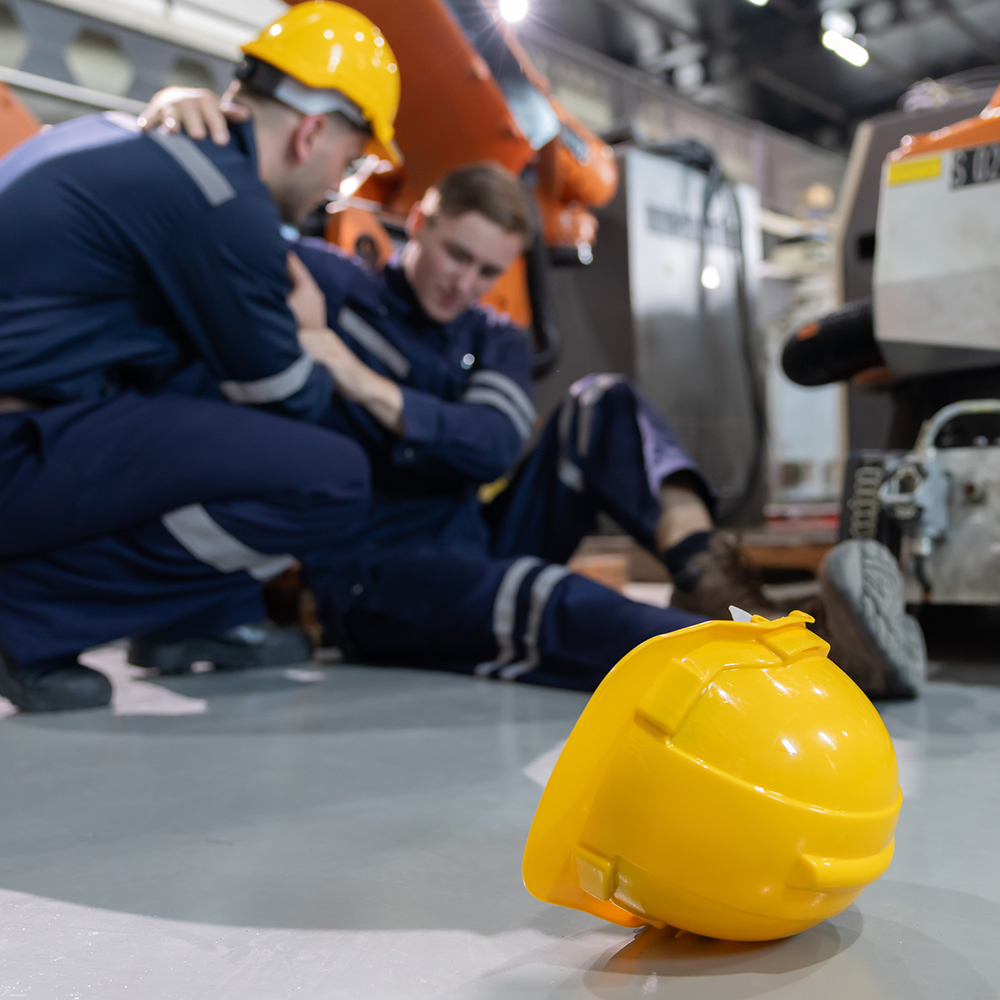
A worker experiencing symptoms should be moved to a cooler location, provided appropriate first aid, and monitored. Severe symptoms such as confusion, fainting, seizures, or very high body temperature require emergency medical action.

Warehouse teams should know who to contact, where cooling and first aid resources are located, and how emergency responders will access the affected area.

Train on Hydration Practices

Training should explain that employees need fluids before, during, and after demanding work. It should also address the importance of regular drinking, appropriate rest, and limiting beverages that do not support effective hydration.

The message should be reinforced during toolbox talks, shift meetings, seasonal safety communication, and high-heat alerts rather than delivered once during orientation.

Acclimatizing New and Returning Workers

Workers who are not accustomed to heat can become ill more quickly.

Increase Exposure Gradually

New workers should begin with reduced heat exposure and gradually increase their workload and time in hot areas. Employees returning after an extended absence may need a similar adjustment period.

This process gives the body time to adapt to heat and physical workload.

Provide Closer Supervision

Supervisors should check new and returning employees more frequently, remind them to drink, and watch for symptoms.

A buddy system can provide added protection by ensuring that workers are not managing heat exposure alone.

Do Not Assume Experience Equals Acclimatization

An experienced warehouse employee can still lose heat tolerance after time away from hot conditions. A transfer from a climate-controlled location to a high-heat loading area may also require acclimatization.

The program should respond to recent exposure, not only years of employment.

Integrating Hydration With Other Heat Controls

A hydration program works best as one part of a broader heat illness prevention plan.

Improve Air Movement and Cooling

Fans, ventilation, air conditioning, spot cooling, and cooled recovery areas may reduce heat exposure. Facilities should evaluate whether air movement is effective in trailers, loading zones, upper levels, and enclosed picking areas.

Fans may not be appropriate in every extreme heat condition, so controls should be selected through a proper assessment.

Adjust Work and Rest Cycles

As heat stress increases, workers may need more frequent or longer recovery breaks.

Breaks should take place in a cooler area away from heat sources. Resting in the same hot trailer or loading zone may not allow the body to recover effectively.

Modify Scheduling When Necessary

More demanding work may be scheduled during cooler parts of the day. Warehouses can also rotate workers, reduce extended manual handling, or use mechanical equipment to lower physical effort.

Production plans should account for heat conditions rather than assuming employees can maintain the same pace regardless of temperature.

Consider Uniforms and PPE

Where hazards permit, breathable clothing may help reduce thermal stress. PPE should still provide the required protection, and employees should not remove safety equipment simply to become cooler.

Cooling towels, cooling garments, or other products may support certain roles, but their use should be evaluated carefully within the complete PPE system.

See Our Safety Services!
SmartCompliance Cabinet Solutions for Industrial Facilities

Monitoring Program Performance

A hydration program should be reviewed using both safety data and worker experience.

Track Heat-Related Symptoms and First Aid

Review heat complaints, first aid visits, near misses, medical responses, and incident reports. Minor symptoms may reveal a problem before a more serious illness occurs.

Facilities should also examine when and where symptoms develop. Repeated reports from one trailer area, department, or shift may indicate a local heat-control weakness.

Monitor Hydration Station Use

Usage data can help determine whether stations are properly placed and adequately stocked.

Very low use may indicate that workers do not understand the program, dislike the product, or cannot conveniently reach the station. Extremely high use may require more supplies, but it may also indicate that heat conditions or workloads need additional controls.

Ask Workers for Feedback

Employees can explain whether drinking schedules are realistic, products are acceptable, stations are accessible, and supervisors support the program.

Their feedback can also identify workers who skip hydration because of production pressure, limited restroom access, or concerns about leaving their assignment.

Review the Program Seasonally

Hydration needs change with weather, staffing, workload, and facility conditions. Programs should be reviewed before warm seasons and updated after heat-related incidents or operational changes.

The time to improve the program is before temperatures peak—not after the first emergency.

Applying Lessons From Other High-Heat Industries

Warehouse leaders can learn from programs designed for outdoor and physically demanding work.

Waste collection and processing workers, for example, face heat, heavy physical activity, PPE, vehicle exposure, and long shifts. Arbill’s guidance on heat stress and hydration programs for waste workers highlights the importance of planning around real work demands rather than simply making water available.

The same principle applies in warehouses. Hydration should be matched to workload, environment, equipment, PPE, and shift conditions.

A worker inside a hot trailer may need a different plan from an employee performing light duties in a ventilated area.

Common Warehouse Hydration Program Mistakes

Most program weaknesses are not caused by a complete lack of water. They develop because access, planning, or supervision is inconsistent.

Facilities may position hydration only in break rooms, leave employees to drink whenever they remember, stock products without monitoring use, or apply the same rules to every job. New workers may begin full workloads immediately, while supervisors receive little instruction on early heat symptoms.

Another common mistake is focusing entirely on beverages. Hydration cannot replace ventilation, rest, acclimatization, emergency planning, or changes to unsafe work practices.

The strongest programs coordinate all of these controls.

Creating a Practical Implementation Plan

A warehouse can begin by evaluating heat conditions and identifying the employees with the greatest exposure. Hydration stations should then be placed close to those work areas and stocked with sufficient cool water and appropriate electrolyte options.

Supervisors should receive clear expectations for drinking reminders, rest breaks, acclimatization, symptom recognition, and emergency response. Workers should be encouraged to report heat concerns without fear that they will be viewed as unwilling to work.

The facility can then monitor product use, heat-related symptoms, worker feedback, and environmental conditions to improve the program over time.

Hydration should become part of normal shift planning, not a special response used only during a heat wave.

Conclusion

Hydration programs for industrial warehouses need to address more than water availability.

Workers may face heat from physical exertion, hot trailers, humidity, poor ventilation, outdoor loading areas, protective clothing, and extended shifts. These conditions can affect concentration, coordination, decision-making, productivity, and worker health.

A dependable program begins with a facility-specific assessment. It provides cool water and appropriate electrolyte fluids close to the work, establishes regular drinking opportunities, supports acclimatization, trains supervisors, and connects hydration with rest, cooling, ventilation, workload management, and emergency response.

The program should also evolve. Usage patterns, worker feedback, incidents, weather, and operational changes can all reveal where improvements are needed.

When hydration is planned as part of warehouse safety—not treated as an optional employee responsibility—facilities can better protect workers, reduce heat-related disruptions, and maintain safer performance throughout demanding shifts.

Request a Safety Assessment

Recent Posts

Hydration Programs for Industrial Warehouses

Hydration Programs for Industrial Warehouses

SmartCompliance Cabinet Solutions for Industrial Facilities

SmartCompliance Cabinet Solutions for Industrial Facilities

PPE Program Management for Multi-Site Industrial Operations

PPE Program Management for Multi-Site Industrial Operations

Safety Assessment & Audit Services for Industrial Operations

Safety Assessment & Audit Services for Industrial Operations

Workplace Safety Motivation
Safety Training Programs for Manufacturing Facilities

Safety Training Programs for Manufacturing Facilities

  • Next ProjectSmartCompliance Cabinet Solutions for Industrial Facilities

CUSTOMER SERVICE

800-523-5367

CONTACT US

Complete the short form below and an Arbill representative will get back to you within 24 hours.
* Required Fields

    ARBILL RESPECTS YOUR PRIVACY AND YOUR INFORMATION: By submitting the form above you agree to receiving emails from Arbill. Your submitted information is NEVER shared. You may unsubscribe at any time via the "unsubscribe" link in our emails. You can view our Privacy Policy HERE.