Flame-resistant clothing is designed to reduce burn injury when workers are exposed to short-duration thermal hazards such as flash fire or electric arc.

Unlike ordinary clothing that may continue burning after an ignition source is removed, properly selected FR garments are designed to resist ignition or self-extinguish and limit the spread of flame.

That protection can be critical in industries such as utilities, oil and gas, petrochemical operations, electrical work, manufacturing, and other environments where workers may be exposed to fire or arc-flash hazards.

But FR clothing is not simply “fireproof clothing.”

Employers need to understand what flame-resistant means, how FR differs from arc-rated clothing, when protective garments may be required, how clothing should be selected, and why maintenance and layering matter just as much as the label on the garment.

What Is Flame-Resistant Clothing?

Flame-resistant clothing is made from materials designed to resist ignition and reduce continued burning after exposure to flame.

Some fabrics have inherent flame-resistant properties.

Others are treated during manufacturing to provide flame-resistant performance.

The goal is not to make the worker completely immune to heat.

Instead, FR clothing helps limit the severity and duration of thermal exposure by reducing the likelihood that the garment itself will continue burning and contribute additional injury.

FR Clothing Is Not Fireproof

No garment can make a worker completely safe from unlimited heat or flame.

FR clothing has performance limits.

A garment may reduce injury during a short-duration flash fire or other thermal event but still allow heat to reach the worker.

Higher-energy exposures require greater protection, and some hazards require specialized clothing systems rather than a single shirt or pair of pants.

That is why FR clothing should always be selected through a hazard assessment rather than simply purchased because the label says “flame resistant.”

FR Clothing vs. Arc-Rated Clothing

This is one of the most important distinctions in protective clothing.

Flame-Resistant Clothing

FR clothing is designed to resist ignition and limit continued burning.

It may be appropriate for hazards such as short-duration flash fire when the garment meets the applicable standard for that exposure.

Arc-Rated Clothing

Arc-rated, or AR, clothing has been tested specifically for electric-arc exposure and carries an arc rating expressed in calories per square centimeter.

NFPA material explains that all arc-rated clothing is flame resistant, but flame-resistant clothing that does not carry an arc rating has not necessarily been tested for exposure to an electric arc.

For electrical work, that distinction matters.

A worker exposed to arc flash needs clothing selected for the calculated or otherwise determined arc-flash hazard, not simply any garment marked FR.

Arbill’s guide to arc flash PPE requirements provides more detail on arc ratings, PPE categories, and electrical protective clothing.

What Does an Arc Rating Mean?

Arc-rated clothing displays a value in calories per square centimeter, commonly written as cal/cm².

That value describes how the material or clothing system performs when exposed to an electric arc.

A higher arc rating represents greater thermal protection against that specific hazard.

The required rating should be determined from the workplace electrical risk assessment.

Employers should not simply purchase the highest-rated garment available without considering the task, hazard, comfort, layering, and overall PPE system.

When Is FR Clothing Required?

There is no single rule requiring every industrial worker to wear FR clothing.

The requirement depends on the hazard and applicable regulation or industry standard.

Workers may need FR or arc-rated clothing where they are exposed to:

  • Electric arcs
  • Flash fire
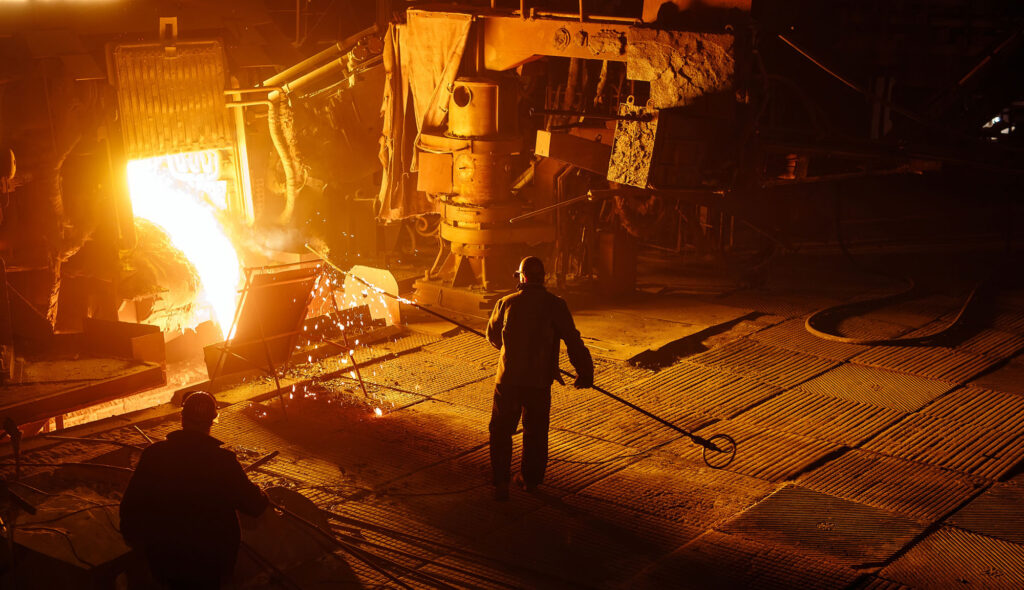
  • Molten material
  • Ignition hazards
  • Certain oil and gas operations
  • Chemical or petrochemical fire hazards

For electric power generation, transmission, and distribution, OSHA requires employers to assess flame and electric-arc hazards and, under specified conditions, ensure workers wear flame-resistant and arc-rated protective clothing appropriate to the exposure.


Explore Our Solutions!
Flame Resistant Clothing

FR Clothing in Electrical Work

Electrical workers face a unique thermal hazard because electric arcs can release extremely high amounts of energy in a fraction of a second.

Ordinary clothing may ignite, continue burning, or melt onto the skin.

OSHA specifically prohibits workers covered by its electric-power requirements from wearing certain materials when those materials could melt or increase injury during an arc exposure.

Examples include untreated acetate, nylon, polyester, rayon, and polypropylene when they present a melting or ignition hazard.

For electrical applications, employers need to determine both whether flame-resistant clothing is required and whether that clothing must also carry an appropriate arc rating.

FR Clothing for Flash-Fire Hazards

Flash-fire exposure is different from arc flash.

A flash fire typically involves rapid flame propagation through a flammable atmosphere.

Workers in oil and gas, petrochemical, chemical processing, and related industries may face this type of hazard.

NFPA 2112 addresses flame-resistant clothing designed to protect industrial personnel from short-duration thermal exposure from fire.

The standard evaluates garment and material performance for this type of hazard.

A garment appropriate for flash fire should be selected according to the applicable hazard and standard, not based only on appearance or fabric thickness.

Who Commonly Wears FR Clothing?

FR clothing is commonly used in environments where ignition or short-duration thermal exposure could cause serious burn injury.

Examples include:

Utility workers, electricians, oil and gas personnel, refinery workers, chemical plant employees, certain welders, industrial maintenance teams, and workers performing tasks near potential flame or arc sources.

The exact requirement depends on the job rather than the industry name alone.

Two employees working at the same facility may need very different clothing depending on their exposure.

Start With a Hazard Assessment

Protective clothing should always be selected around the actual workplace hazard.

The assessment should consider:

What could ignite?

How intense could the exposure be?

How long could it last?

Could an electric arc occur?

Could flammable vapors ignite?

Could molten material contact the employee?

What parts of the body are exposed?

What other PPE must be worn?

Arbill’s guide on how to perform a PPE hazard assessment provides a useful framework for connecting workplace hazards with appropriate PPE selection.

FR Shirts and Pants

For many industrial applications, FR shirts and pants form the base protective clothing system.

These garments should provide adequate coverage while allowing the worker to perform normal job tasks.

Fit matters.

Clothing that is too tight can reduce the insulating air layer between the garment and the skin.

Extremely loose garments may introduce snagging or equipment hazards.

The employee should be able to bend, climb, reach, and work normally without exposing unprotected skin.

FR Coveralls

Coveralls provide more continuous body coverage.

They can be useful in maintenance, utility, chemical, oil and gas, and other environments where workers need consistent protection across the torso, arms, and legs.

Coveralls may also simplify compliance because workers do not need to coordinate separate shirts and pants.

However, the garment still needs to match the thermal hazard and any required arc rating.

FR Jackets and Outerwear

Cold-weather clothing creates an important FR consideration.

A worker may wear compliant FR clothing underneath an ordinary winter jacket.

If the outer garment can ignite or melt during the hazard, the protective value of the inner layers can be compromised.

Where FR or arc-rated protection is required, employers should evaluate the complete clothing system, including:

Jackets, coats, rainwear, high-visibility layers, and cold-weather garments.

Arbill’s protective clothing products can support workplaces selecting clothing and PPE for industrial applications.

Underlayers Matter

What workers wear beneath FR clothing also matters.

A flame-resistant outer layer does not automatically make every underlayer safe.

Synthetic fabrics can melt when exposed to sufficient heat.

Depending on the hazard, an unsuitable undershirt or base layer may increase burn injury even when the outer garment performs correctly.

Employers should provide clear guidance on acceptable underlayers instead of focusing only on the visible FR garment.

Layering Can Increase Protection

Layering properly selected FR or arc-rated garments can increase thermal protection.

However, the protection of a layered system cannot always be determined by simply adding the individual ratings together.

Where a specific arc rating is required, employers should use tested clothing systems or manufacturer information showing the rating of the complete combination.

Layering should be planned rather than improvised.

”As long as people go to work, we have an opportunity to help protect them.

Julie Copeland
Arbill CEO

Julie Copeland Arbill CEO

Do Not Mix FR and Non-FR Outer Layers

A common mistake is wearing an ordinary sweatshirt, rain jacket, vest, or winter coat over required FR clothing.

If that outer layer ignites or melts, it may create additional injury.

When the hazard requires FR or arc-rated clothing, all exposed outer layers should be evaluated for compatibility with that requirement.

High-Visibility and FR Requirements Can Overlap

Workers may need to be both visible and protected from flame or arc hazards.

This commonly occurs among utility crews, roadside electrical workers, oil and gas personnel, and industrial employees working around mobile equipment.

An ordinary synthetic high-visibility vest may not be appropriate over an arc-rated clothing system.

The high-visibility outer layer must also be suitable for the thermal hazard.

Arbill’s guide to high-visibility clothing and when it is required explains how visibility PPE should be selected based on the work environment.

Inspect FR Clothing Before Use

Protective clothing needs regular inspection.

Workers should look for:

  • Holes
  • Tears
  • Excessive wear
  • Damaged closures
  • Chemical contamination
  • Oil or grease buildup
  • Missing fasteners
  • Damaged reflective material
  • Unauthorized modifications

A small tear may expose skin or compromise the protective system.

Damaged garments should be repaired according to manufacturer guidance or removed from service.

Contamination Can Reduce Protection

FR clothing that becomes heavily contaminated with flammable material may no longer provide the protection the worker expects.

Oil, grease, fuel, solvent, and combustible dust can introduce additional ignition hazards.

Garments should be cleaned when contaminated.

If contamination cannot be adequately removed, replacement may be necessary.

Workers should never assume that an FR label makes dirty clothing safe indefinitely.

Wash FR Clothing Correctly

Improper laundering can reduce garment performance or shorten service life.

Workers should follow the manufacturer’s care instructions.

Depending on the garment, certain bleach products, fabric softeners, detergents, or high-temperature processes may not be appropriate.

FR clothing should also be washed often enough to remove contamination that could increase ignition risk.

Employers that use industrial laundry services should verify that the service understands the requirements for FR garments.

Do Not Modify FR Garments Improperly

Employees sometimes modify clothing for comfort.

Sleeves may be cut shorter.

Pockets may be added.

Logos or patches may be sewn onto garments.

Reflective tape may be installed.

These modifications can potentially affect the garment’s protective performance.

Repairs and alterations should use suitable materials and follow manufacturer or program requirements.

Proper Fit Matters

FR clothing should cover the employee’s body adequately without creating unnecessary restrictions.

Sleeves should remain down and secured where required.

Shirt tails should be worn according to the clothing system design.

Garments should not be intentionally left open if doing so exposes non-FR underlayers or skin to the hazard.

Workers need to understand that the garment protects them only when worn correctly.

Comfort Influences Compliance

Heavy, hot, or poorly fitting FR clothing may encourage workers to alter or remove it.

That makes comfort an important purchasing factor.

Modern FR fabrics can vary significantly in:

Weight, breathability, flexibility, moisture management, and durability.

The goal should be to find clothing that provides required protection while remaining practical for the work environment.

Comfort should never replace protection, but poor comfort can undermine consistent use.

Heat Stress Still Needs Attention

FR clothing can increase heat burden, particularly during summer work or physically demanding tasks.

Employers should not solve this issue by allowing workers to remove required protection.

Instead, manage heat through:

Hydration, rest periods, shaded or cooled areas, work scheduling, acclimatization, and appropriate garment selection.

The thermal PPE hazard and the heat-stress hazard need to be managed together.

Training Is Essential

Employees should understand more than the instruction to “wear FR.”

Training should explain:

Why the clothing is required.

What hazard it protects against.

What its limitations are.

How to wear it correctly.

How to inspect it.

How to clean it.

Which underlayers are acceptable.

When the garment needs replacement.

Workers are more likely to use protective clothing correctly when they understand the reason behind the requirement.

FR Clothing Should Be Part of a Broader Fire-Safety Program

Protective clothing is the last line of defense.

The workplace should still focus first on preventing ignition, controlling flammable materials, maintaining equipment, managing electrical hazards, and following safe work procedures.

Training should also prepare employees for emergency situations.

Arbill’s PyroSoft fire simulation training can support hands-on fire extinguisher and emergency response training without relying on live-fire exercises.

FR clothing and emergency training serve different roles but belong within the same overall fire-safety strategy.

FR Clothing Does Not Replace Engineering Controls

No PPE program should rely on clothing while ignoring preventable hazards.

Where feasible, employers should reduce thermal exposure through:

Equipment design, barriers, isolation, process controls, electrical maintenance, ventilation, and safe work procedures.

FR clothing protects against remaining exposure.

It does not make unsafe work acceptable.

FR Clothing and Welding

Welding, cutting, and hot work create sparks, molten material, radiant heat, and flame hazards.

FR garments may be appropriate for certain welding environments, but clothing should be selected specifically for the work.

Welding often requires additional protective equipment such as:

Welding jackets, gloves, helmets, eye protection, or leather garments.

A standard FR shirt should not automatically be considered sufficient for every hot-work task.

FR Clothing in Oil and Gas Operations

Oil and gas employees may work around flammable gases, hydrocarbons, process equipment, and ignition sources.

A flash fire can occur rapidly if a flammable atmosphere ignites.

Protective clothing should be selected according to the facility’s hazard assessment and applicable performance standards.

Garment design, fabric performance, coverage, and maintenance all become important in these environments.

FR Clothing in Utilities

Utility workers may face both flame and electric-arc hazards.

In these situations, simply specifying FR clothing may not be enough.

The garment may need an arc rating appropriate to the employee’s potential incident-energy exposure.

The entire clothing system should be evaluated, including outerwear, gloves, face protection, and other electrical PPE.

See Our Safety Services!
Flame Resistant Apparel

How Long Does FR Clothing Last?

There is no universal replacement date for every FR garment.

Service life depends on:

Fabric type, garment construction, laundering, contamination, abrasion, frequency of use, and manufacturer guidance.

Some garments may remain protective through many laundering cycles when properly maintained.

Others may need replacement because of physical wear before the fabric reaches any theoretical service-life limit.

Condition is more important than age alone.

When Should FR Clothing Be Replaced?

Replace or professionally evaluate garments when they have:

Large holes, extensive thinning, unrepaired tears, permanent flammable contamination, damaged closures, or other defects that compromise coverage or protective performance.

Garments that no longer fit properly should also be replaced.

Employees should have easy access to replacement clothing rather than continuing to wear damaged PPE because no spare is available.

Read the Garment Label

Protective clothing labels provide important information.

Depending on the garment and applicable standard, labels may identify:

Manufacturer, size, fabric, compliance standard, care instructions, arc rating, or other performance information.

Workers and purchasing teams should verify that the garment actually meets the requirements identified by the hazard assessment.

Marketing terms such as “FR style” or “heat resistant” are not substitutes for appropriate certification or performance data.

Common FR Clothing Mistakes

One common mistake is assuming that all FR garments are arc rated.

Another is wearing ordinary synthetic clothing over or beneath required protective clothing without evaluating the hazard.

Other problems include:

Wearing contaminated garments, rolling up sleeves, leaving shirts open, using damaged clothing, modifying garments improperly, or choosing apparel only by price.

Facilities may also purchase extremely protective garments that are impractical for daily work, leading employees to resist wearing them correctly.

Good selection balances hazard performance and usability.

A Practical FR Clothing Selection Process

Start with the thermal hazard.

Determine whether employees face flash fire, electric arc, molten material, or another heat exposure.

Identify the applicable standard and required performance level.

Then determine which body areas require protection.

Evaluate shirts, pants, coveralls, jackets, rainwear, high-visibility layers, gloves, and other components as one system.

Review comfort, fit, laundering, durability, and compatibility with other PPE.

Train employees before issuing the clothing.

Finally, establish inspection, cleaning, repair, and replacement procedures.

Conclusion

Flame-resistant clothing is an important protective control for workers exposed to short-duration fire and thermal hazards.

Its purpose is to resist ignition, limit continued burning, and reduce the severity of injury when an exposure occurs.

But FR clothing is not the same as arc-rated clothing.

Arc-rated garments are flame resistant and have also been tested for electrical-arc exposure, while FR clothing without an arc rating has not necessarily undergone that testing.

That distinction is especially important in electrical work.

The right clothing depends on the hazard, performance requirements, fit, coverage, layering, maintenance, and compatibility with other PPE.

FR garments should also remain part of a larger safety program that focuses first on preventing ignition and controlling hazardous energy.

When employers combine proper hazard assessment, suitable protective clothing, employee training, inspection, maintenance, and stronger workplace controls, FR clothing becomes a much more effective part of the overall safety system.

Request a Safety Assessment

Recent Posts

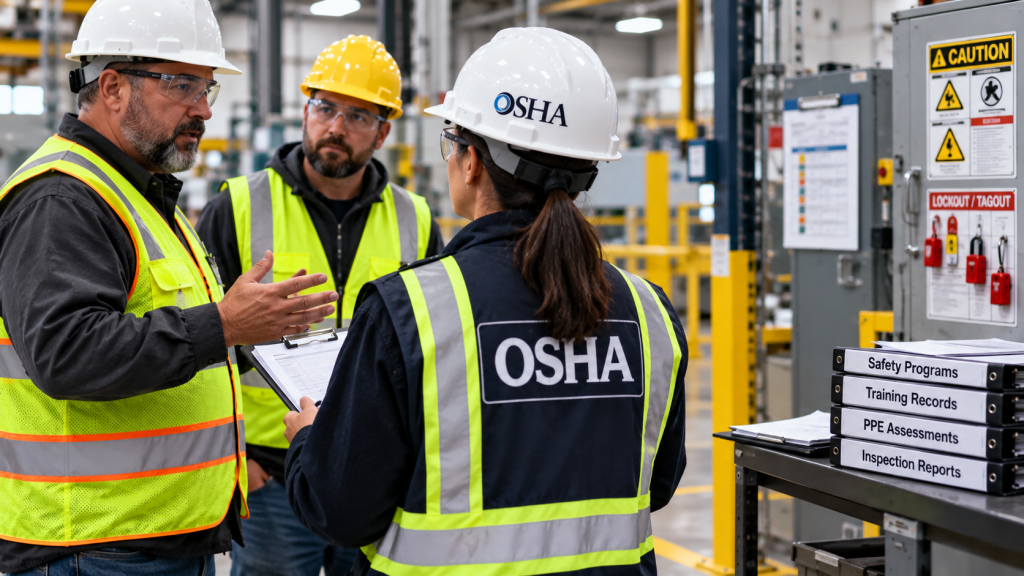
OSHA safety inspection with an inspector reviewing workplace conditions, safety records, lockout:tagout procedures, and employee compliance in an industrial facility
How to Prepare for an OSHA Safety Inspection

How to Prepare for an OSHA Safety Inspection

Warehouse safety inspection with a supervisor reviewing a checklist near forklifts, storage racks, marked walkways, and workers in high-visibility PPE
Warehouse Safety Checklist for Employers

Warehouse Safety Checklist for Employers

Flame Resistant Clothing
Everything You Need to Know About FR (Flame-Resistant) Clothing

Everything You Need to Know About FR (Flame-Resistant) Clothing

Lockout Tagout Electrical Consulting
Workplace Slips, Trips, and Falls: Prevention Strategies That Work

Workplace Slips, Trips, and Falls: Prevention Strategies That Work

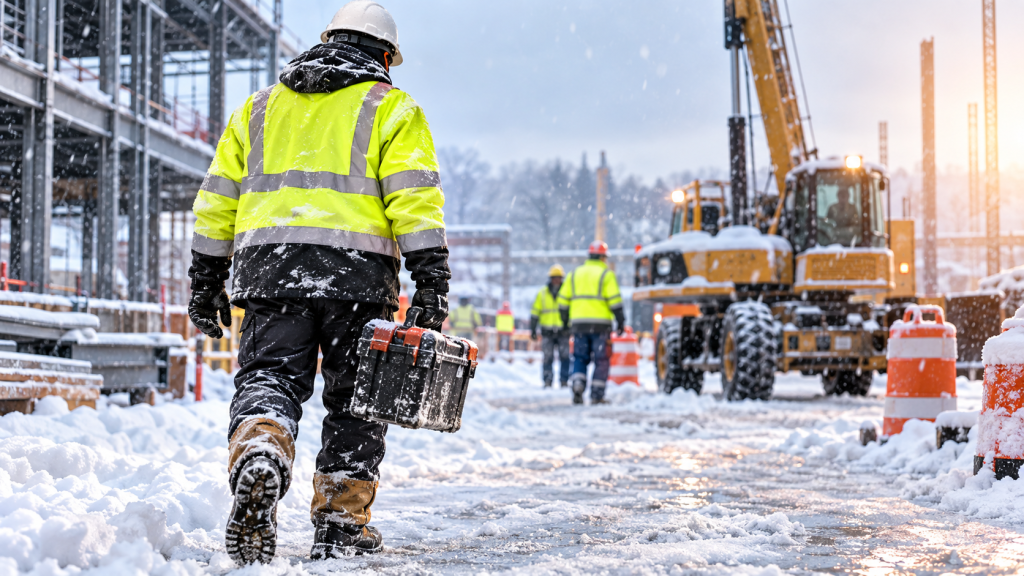
Winter job site safety with workers in high-visibility clothing walking through snow and ice near heavy construction equipment
How Winter Weather Impacts Job Site Safety

How Winter Weather Impacts Job Site Safety

  • Previous ProjectWarehouse Safety Checklist for Employers

  • Next ProjectWorkplace Slips, Trips, and Falls: Prevention Strategies That Work

CUSTOMER SERVICE

800-523-5367

CONTACT US

Complete the short form below and an Arbill representative will get back to you within 24 hours.
* Required Fields

    ARBILL RESPECTS YOUR PRIVACY AND YOUR INFORMATION: By submitting the form above you agree to receiving emails from Arbill. Your submitted information is NEVER shared. You may unsubscribe at any time via the "unsubscribe" link in our emails. You can view our Privacy Policy HERE.